You land in Auckland. Jet-lagged. You grab a rental car key from a counter, throw your pack in the back, and drive left — into the wrong lane. That’s mistake number one, and it happens every day.
New Zealand is one of the safest solo travel destinations on earth. Violent crime is low. People are helpful. But the real dangers aren’t people. They’re underestimating the weather, overestimating your driving skills, and trusting a phone signal in a place where 4G dies 50 km from the nearest town.
I spent three weeks solo in New Zealand, driving the South Island and hopping between DOC huts. I made most of these mistakes myself. Here’s what to avoid — and what actually keeps you safe.
Mistake #1: Driving Without Understanding the Roads
New Zealand roads are narrow, winding, and often unsealed. The speed limit on gravel roads is technically 100 km/h — but driving that fast on loose metal is a fast way to slide into a ditch. Rental cars from Jucy or Apex cost around $40–70 NZD per day for a small hatchback, but the insurance excess can hit $3,000 if you slide off the road.
What solo drivers get wrong
You drive on the left. That’s obvious. What’s not obvious: one-lane bridges are everywhere. You yield to traffic already on the bridge. The rule is simple, but in practice, tourists freeze. I saw a driver stop dead in the middle of a bridge near Wanaka because a campervan approached from the other side. Don’t do that. Commit to crossing or wait at the start.
The real fix: take the bus
If you’re solo and not confident driving on the left, skip the rental car entirely. InterCity buses connect every major town. A FlexiPass costs around $50–150 NZD depending on distance. You lose flexibility but gain the ability to nap, read, and not stress about narrow passes like the Crown Range Road.
Mistake #2: Ignoring the Weather Forecast
New Zealand weather changes faster than a Queenstown bar tab. I hiked the Routeburn Track in February — summer — and got snowed on at the saddle. A woman in front of me wore leggings and a cotton hoodie. She was shivering within 20 minutes.
The New Zealand Metservice app is free and updates hourly. Check it before every drive and every hike. If the forecast says rain, expect rain. If it says possible thunderstorms, do not start a multi-day tramp.
What to carry for sudden weather shifts
- A waterproof shell jacket (not a rain poncho — wind will shred it)
- Thermal base layer (merino wool, not cotton)
- Beanie and gloves, even in summer
- Headlamp with fresh batteries — daylight fades fast in the mountains
Mistake #3: Hiking Alone Without Telling Anyone
This is the single most dangerous thing you can do in New Zealand. The country has thousands of kilometers of trails. Many have no cell reception. If you twist an ankle on the Tongariro Alpine Crossing and no one knows where you are, you could wait hours or overnight for another hiker to pass.
The DOC (Department of Conservation) runs a free Intentions System. You fill out a form online or at a visitor center with your route, start time, and expected finish. If you don’t check in by a certain time, they send a search party. It takes two minutes. Use it.
GPS devices that actually work
Your phone is useless when there’s no signal. A dedicated satellite messenger like the Garmin inReach Mini 2 ($400 NZD) lets you send texts and an SOS from anywhere. You can rent one from Outfitters in Queenstown for $15 NZD per day. Cheaper than a helicopter rescue.
Mistake #4: Booking Everything Too Far Ahead
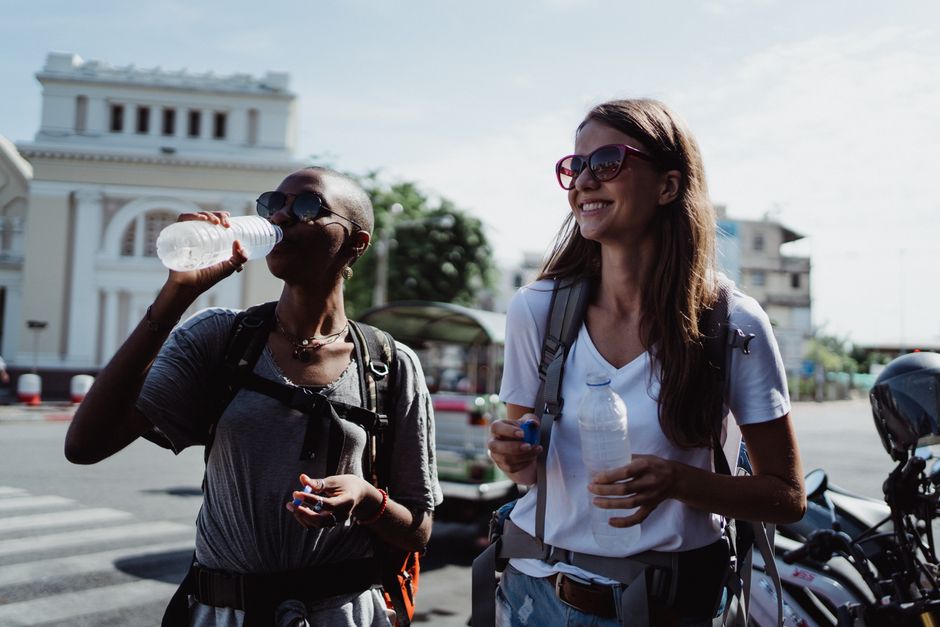
I met a solo traveler in Christchurch who had booked every single night of her 3-week trip before she left. She couldn’t change her itinerary when she wanted to stay an extra day in Tekapo because the lake was stunning. She was locked in.
New Zealand’s peak season (December–February) fills up fast, especially in Queenstown and Wanaka. But booking everything rigidly kills the spontaneity that makes solo travel great. A better approach: book your first 2–3 nights and your last night. Leave the middle open. Use Bookabach or Holiday Houses for last-minute cabins.
When to book ahead (and when not to)
| Situation | Book ahead? | Why |
|---|---|---|
| Milford Sound cruise | Yes | Sells out weeks in advance. Book at least 2 weeks before. |
| DOC hut on popular track | Yes | Great Walks huts (Routeburn, Kepler) book out months ahead. |
| Hostel dorm bed in off-season | No | Walk-ins are fine in April–October. |
| Rental car | Yes | Prices double in peak season. Book 4+ weeks out. |
Mistake #5: Not Having a Backup for Money
New Zealand is largely cashless. You can pay with a card almost everywhere. But I had my wallet stolen at a hostel in Rotorua — someone grabbed it from my bag while I was in the shower. I had no backup card and no cash. It took 3 days to get a replacement from my bank.
The fix: carry two cards from different banks. Keep one in your main bag, one in a hidden money belt or a locked locker. Also carry $200 NZD in cash as emergency money. ATMs charge $3–5 per withdrawal, so take out larger amounts less often.
Recommended banks for travelers
Wise (formerly TransferWise) offers a debit card with no foreign transaction fees and real exchange rates. Revolut works similarly. Both let you freeze the card instantly from your phone if it’s stolen. I use Wise as my backup and a local bank card as primary.
Mistake #6: Underestimating the Sandflies
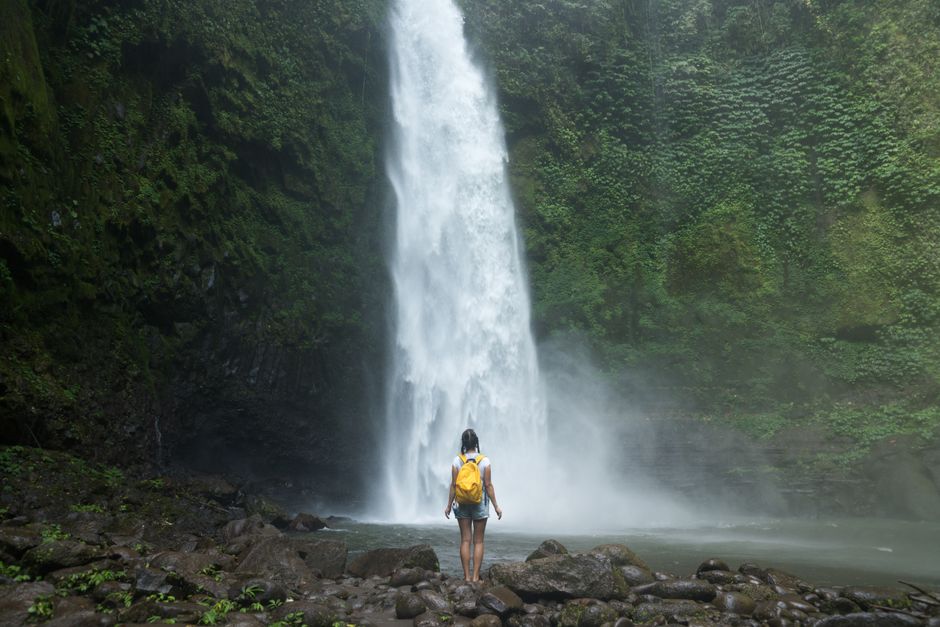
Sandflies are tiny black biting flies found near water — lakes, rivers, beaches. They don’t carry disease, but their bites itch for days and can swell badly. They are relentless at dawn and dusk. I met a German backpacker whose entire lower leg swelled after a sandfly attack on the Abel Tasman track. She couldn’t walk for two days.
The only repellent that works reliably is DEET-based spray (30% or higher). Brands like Bushman’s or Goodbye Sandfly are sold at every New Zealand supermarket. Cost: around $12–18 NZD. Apply to exposed skin and clothing. Do not rely on natural repellents — they don’t work against sandflies.
Mistake #7: Overpacking Gear You Don’t Need
Solo travelers in New Zealand often bring too much stuff. You carry it on buses, up hills, through hostels. It wears you out. I met a guy carrying a full camping stove, a tent, a sleeping bag rated to -10°C, and three pairs of boots. He used the stove once.
New Zealand has hostels, DOC huts, and backpacker lodges everywhere. You don’t need a tent unless you’re doing serious backcountry. You don’t need a stove — most hostels have kitchens. You need good walking shoes, a warm jacket, and a small backpack (30–40 liters max).
The 3-item packing rule for solo New Zealand
- Footwear: One pair of trail runners (like Merrell Moab Speed 2, $200 NZD) for hiking and town. One pair of sandals for showers and beaches.
- Layers: Merino base layer, fleece mid-layer, waterproof shell. That’s it.
- Tech: Phone, power bank (20,000 mAh minimum), headlamp, charging cable.
Mistake #8: Trusting That You’ll Make Friends Automatically
New Zealanders are friendly. But solo travel can still be lonely, especially if you stay in private rooms or Airbnb apartments. Hostels are where connections happen. I stayed at YHA Queenstown ($35 NZD per night for a dorm) and met people in the common kitchen within 10 minutes.
The mistake is assuming friends will find you. You have to put yourself in social situations. Join a group tour for a day — the Milford Sound cruise from Queenstown costs $99 NZD and runs daily. You’ll share a bus with 15 other travelers. Or sign up for a Kiwi Experience bus pass ($400–800 NZD depending on route) — it’s designed for solo travelers and includes social activities.
If you’re introverted, pick hostels with organized events. Base Backpackers in Queenstown runs nightly pub crawls and trivia nights. You don’t have to drink. You just have to show up.
The single most important thing to remember about solo travel in New Zealand: the country is safe, but the environment is not forgiving. Plan for the worst weather, tell someone where you’re going, and pack light. Everything else is just details.