
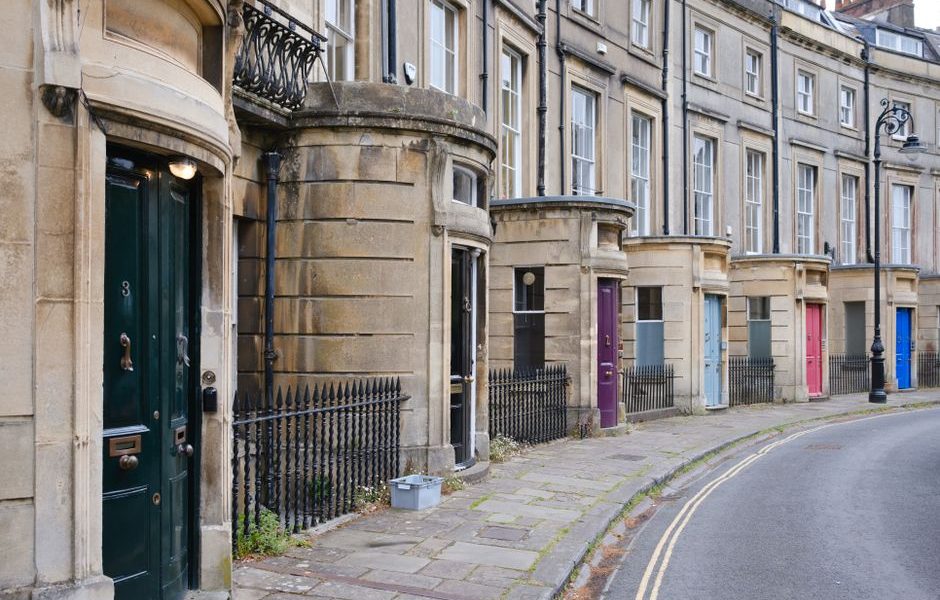
Bath in winter is a compact city break built around three strong ideas: Roman history, naturally warm spa water and Georgian streets that look better under a low grey sky than under harsh summer sun. The costs are manageable if you book the expensive parts first and leave room for free walks, museums and cafés.
Why Bath works better in winter than summer
The city is compact enough for short daylight
Bath is a useful winter destination because most headline sights sit within a walkable central area. Bath Spa railway station is close to the Abbey, Roman Baths, Pump Room and the shopping streets. From there, the Circus and Royal Crescent are roughly 15 to 20 minutes away on foot, depending on stops for photographs or coffee. That matters in December and January, when daylight disappears early and a long outdoor itinerary becomes less appealing.
The city also has a sensible indoor-outdoor rhythm. Spend the coldest hour inside the Roman Baths or Bath Abbey, then take a short walk through the Georgian centre before warming up in a café. You do not need a car for the core experience, and parking fees can easily exceed the cost of a good lunch.
Steam, stone and soft winter light
The visual case is unusually strong. Steam rises from the Great Bath, honey-coloured Bath stone holds a warm tone in flat light, and the curved buildings around the Royal Crescent look less crowded when tour groups thin out. Winter does not turn Bath into a secret. Christmas Market dates still bring crowds, especially from 26 November to 13 December 2026, but ordinary midweek dates outside that period feel calmer.
The first-principles reason to visit
Bath exists as a destination because water, health and urban design have always worked together here. The Romans built around a hot spring. Georgian society turned the same source into a fashionable social centre. Modern Bath sells the experience through Thermae Bath Spa, but the underlying appeal has not changed: arrive cold, move through history and leave warmer than you started.
That gives Bath more substance than a decorative weekend town. The spa is not the whole trip, and the Roman site is not just a photo stop. The city makes the most sense when you connect the water to the streets built around it.
Roman Baths or Thermae Bath Spa: which deserves your money?
The practical comparison
| Experience | Winter 2026 detail | Best for | Main catch |
|---|---|---|---|
| Roman Baths | Adult tickets from £21.15 on January 5 to March 31 weekdays; £23.85 at weekends. Typical opening hours are 9:00 to 18:00, with last entry at 17:00. | History, architecture and a two-hour cultural visit | You cannot swim in the ancient water. |
| Thermae Bath Spa | Two-hour Thermae Welcome: £44 Monday to Friday and £49 Saturday to Sunday. Main Spa opening is generally 9:00 to 21:30. | Warm water, rooftop views and relaxation | Minimum age is 16, and popular sessions sell out. |
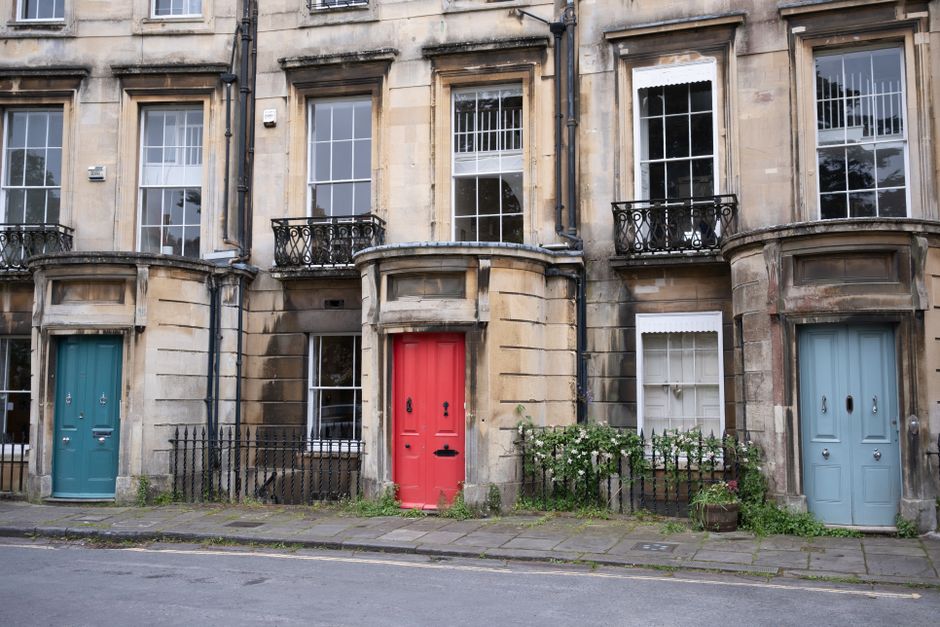
| Georgian street walk | Free. Allow 60 to 120 minutes for the Circus, Royal Crescent, Pulteney Bridge and central lanes. | Low-cost sightseeing and photography | Rain and slippery stone need proper shoes. |
What you are actually buying
The Roman Baths ticket buys context: preserved pavements, the Great Bath, museum displays and a clear explanation of how the spring shaped the settlement. Thermae Bath Spa buys time in warm water, including the rooftop pool, indoor Minerva Bath and Wellness Suite. These are not interchangeable tickets. One is a heritage attraction; the other is a timed leisure session.
For a first visit, I would choose both only if you have at least one full day and can absorb roughly £65 to £73 per adult before food and travel. If money is tight, choose the Roman Baths and spend the rest of the day walking. If cold weather is the main reason for the trip, choose Thermae and treat the Georgian architecture as the free half of the itinerary.
Bottom Line: The Roman Baths are the better value for history. Thermae Bath Spa is the better winter splurge. A visitor who expects to swim at the Roman site will be disappointed.
Check the official Roman Baths visit information before paying because seasonal prices and opening hours can change.
How to read Bath’s Georgian streets without a tour
Start with the difference between the Circus and Royal Crescent
My recommendation is to walk the Georgian quarter before paying for another attraction. The Circus is a circular composition of three curved blocks, while the Royal Crescent is a broad crescent facing open green space. Both use Bath stone, but they create different effects. The Circus feels enclosed and urban. The Royal Crescent feels theatrical because the buildings open toward the park.
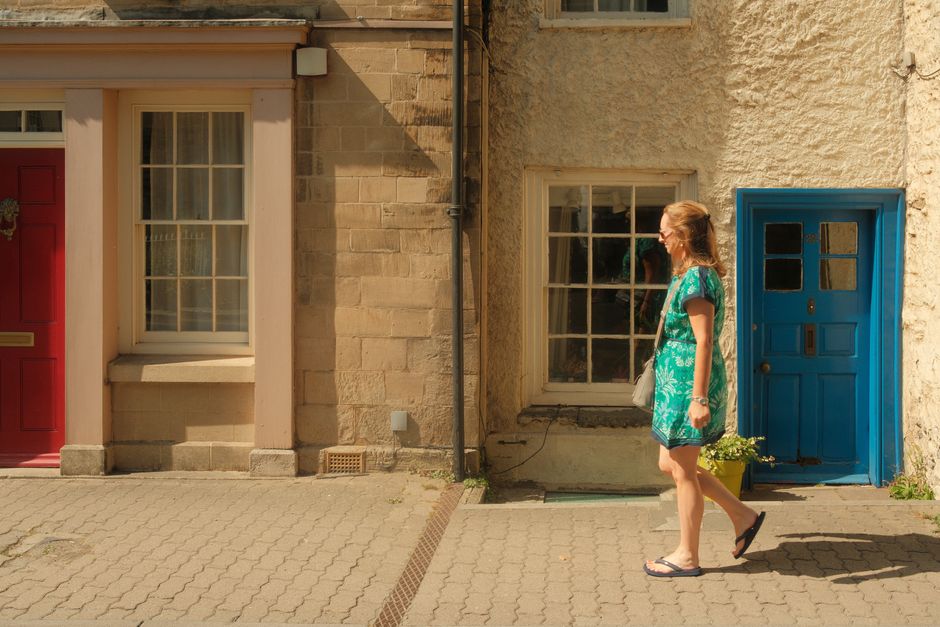
Look above street level. Ground floors often seem plain compared with the upper windows, cornices and repeated columns. Georgian planners cared about rhythm: matching façades, balanced proportions and long views. The result can look effortless, but the visual order is the point.
Use a route with free landmarks
Begin near the Abbey and walk north through Milsom Street. Continue toward the Circus, cross Brock Street and finish at the Royal Crescent. Return through Queen Square if your legs and the weather allow. Add Pulteney Bridge and the river after lunch; the bridge is close enough to fit into the same day without transport.
Do not judge the area only by its most photographed angle. Turn into side streets, check the changes in paving and watch how the buildings sit on rising ground. Bath’s best free experience is not a single monument. It is the relationship between streets, stone, slopes and public squares.
For a quieter walk, go early on a weekday. Christmas Market visitors concentrate around the central shopping area, while the Circus and Royal Crescent can remain comparatively peaceful outside peak photography times.
Winter mistakes that can spoil a Bath weekend
Do I need to book everything in advance?
Book the Thermae session and Roman Baths entry before travelling on a Saturday, during school holidays or during the Christmas Market. Leave cafés, street walks and most free sights flexible. A rigid timetable makes rain and rail delays harder to manage.
Can I rely on Christmas opening hours?
No. Attractions may close on Christmas Day, Boxing Day or New Year’s Day, and transport runs on reduced schedules around the holidays. Check the operator’s own page rather than relying on a blog post written for another year. The official Christmas listings are useful for dates, but final admission times can still change.
What should I wear for the streets?
Wear shoes with grip, a waterproof outer layer and one warm layer that can come off indoors. Bath’s polished stone becomes unpleasant in rain, and the weather can shift between a cold walk and a warm museum in minutes. An umbrella is useful, but it will not replace waterproof footwear.
One more mistake is treating the spa as a cure-all. The rooftop pool is outdoors, the water is warm, and the air can still feel cold when you leave it. Drink water, follow staff guidance and avoid adding a treatment package simply because the basic session is sold out. The £145 Thermae Unwind package, for example, is a different purchase from a £44 weekday two-hour session.
Verdict: The biggest failure mode is overpacking the day. Two major ticketed stops, one long walk and one proper meal are enough.
Is Bath worth visiting in winter?
Yes, for travellers who want history and atmosphere without a large resort itinerary. Bath gives you a credible cold-weather plan: the Roman Baths provide depth, Thermae provides warmth, and the Georgian streets supply a free outdoor layer between them. The trade-off is simple: winter weather can limit parks, viewpoints and day trips, while Christmas dates bring higher demand than the rest of the season.
Choose Bath for a midweek stay from January through early March if you want the best balance of price, space and atmosphere. Choose late November or December for lights and market stalls, but expect busier streets and tighter spa availability. A two-night stay is stronger than a rushed day trip because it lets you separate the spa from the heritage sights and absorb delays without losing the whole plan.
Bath’s appeal should keep evolving as visitors look for shorter, lower-carbon breaks with more substance than shopping alone. The city has already moved from Roman bathing to Georgian sociability to modern thermal leisure; winter makes that long connection easiest to see.