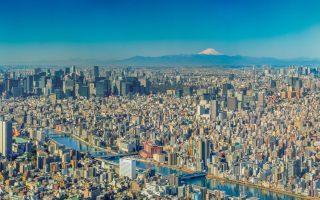
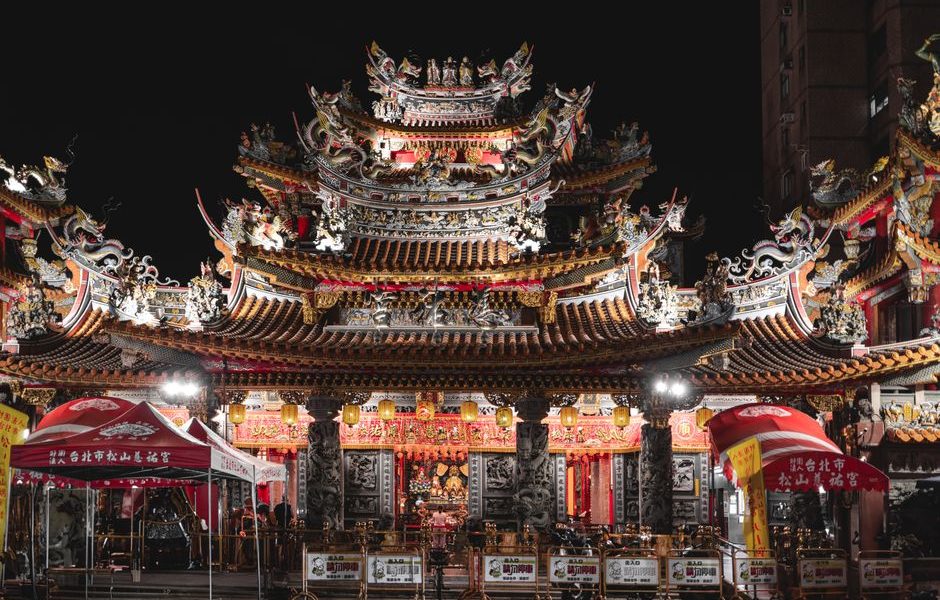
You arrive in Taipei with one free evening, a hotel near Taipei Main Station, and a saved list that stretches from Raohe Street to Beitou. Then the rain starts. The temple closes earlier than expected, the night market is on the other side of town, and the hot spring district looks too far away for a relaxed visit.
The solution is to plan Taipei by neighborhood and time of day. Night markets work best after dinner hours, temples reward an early start, and Beitou needs at least half a day. This is not legal advice — consult a licensed attorney. For travel planning, treat opening hours, fares and entry rules as details to confirm before departure because operators can change them.
How should you plan Taipei by neighborhood?
Group places that sit on the same side of the city
The best Taipei itinerary reduces backtracking. Start in the old western districts for temples, historic streets and traditional food. Longshan Temple, Bopiliao Historical Block and Huaxi Street can fit into one morning because they sit close together. Add Ximending later in the day if you want shopping, cinema signs and a busier urban scene.
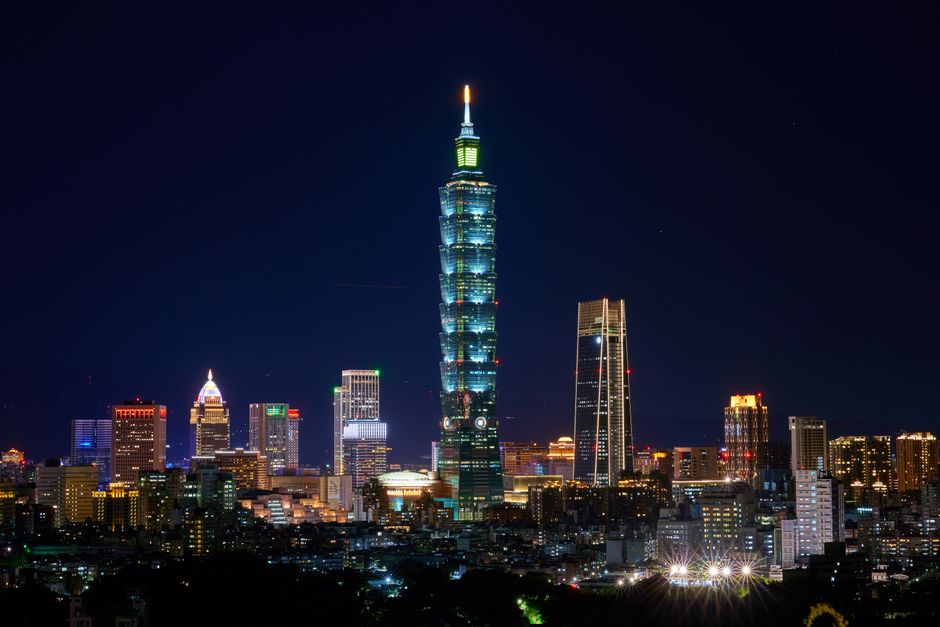
Keep the central sights together on a separate day. Chiang Kai-shek Memorial Hall works well with Yongkang Street and the National Concert Hall. The route has wide open spaces, cafés and several indoor stops, which makes it a safer choice during heavy rain. Taipei 101 and the Xinyi district belong on another afternoon or evening. A viewpoint visit becomes more enjoyable when you are not racing across town from a temple in the west.
Use Beitou as a half-day trip, not a quick stop
Beitou sits north of the central districts and has a different pace. The area includes Beitou Park, the Beitou Hot Spring Museum, Thermal Valley and public or private bathing facilities. A rushed visit often becomes a walk past closed doors. Give the district three to five hours, especially if you plan to bathe.
For a first visit, use this order: arrive before lunch, walk through the park, visit the museum, see Thermal Valley, eat nearby, then book the bath. That sequence leaves room for a delayed meal or a weather break. Taipei is easy to navigate, but the city rewards a small number of connected stops more than a long checklist.
Which Taipei night market should you choose?
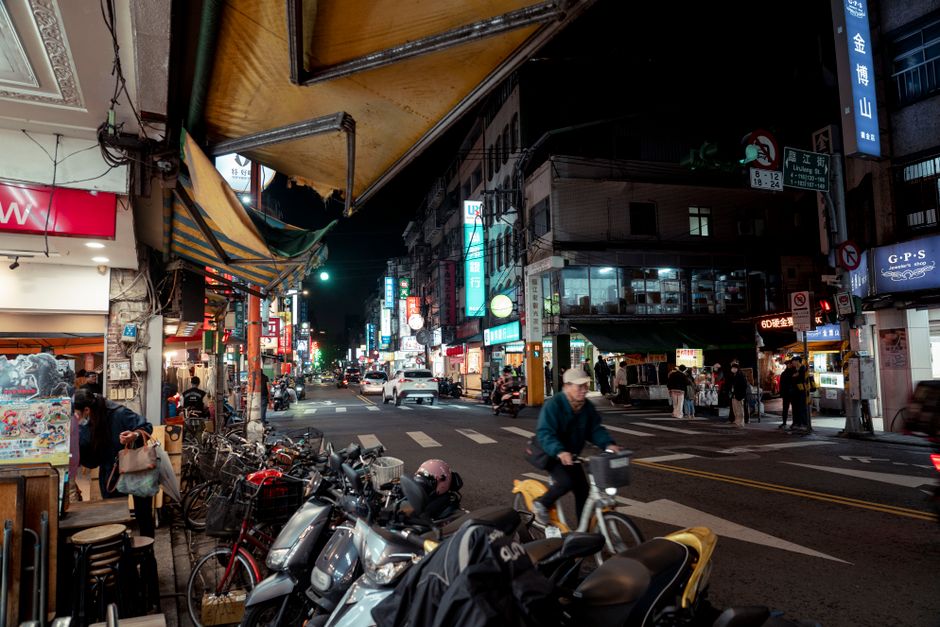
Match the market to the evening you want
Do not treat every market as the same attraction. The best choice depends on food style, crowd level and your next stop.
| Night market | Best for | Typical posted hours | Practical verdict |
|---|---|---|---|
| Raohe Street Tourist Night Market | First-time visitors, pepper buns, a compact route | 17:00–00:00 | Best all-round choice for one evening |
| Ningxia Road Night Market | Traditional snacks and a shorter food-focused visit | 17:00–23:30 | Best for serious eating without a huge walking area |
| Shilin Night Market | Shopping, games and a large visitor scene | 16:00–00:00 | Best for variety; weakest choice for a quiet meal |
| Linjiang Street Night Market | A smaller local-feeling evening near Xinyi | 18:00–00:00 | Best after Taipei 101 or a southern city walk |
Build your food route before you arrive
At a busy market, choose two savory dishes, one vegetable or soup item, and one sweet snack. Share portions when possible. This lets you compare stalls instead of spending your appetite on the first fried item you see. Carry cash in small denominations, keep your bag in front of you, and stand to the side after ordering so the next customer can reach the counter.
Raohe Street is my clear pick for a first Taipei night because its route is easy to understand and the nearby temple gives the evening a strong starting point. Ningxia wins for travelers who care more about food than shopping. Shilin is not the automatic winner: its size can feel tiring after a full sightseeing day.
Is Beitou worth a half-day?
Yes, if you want Taipei’s clearest change of pace
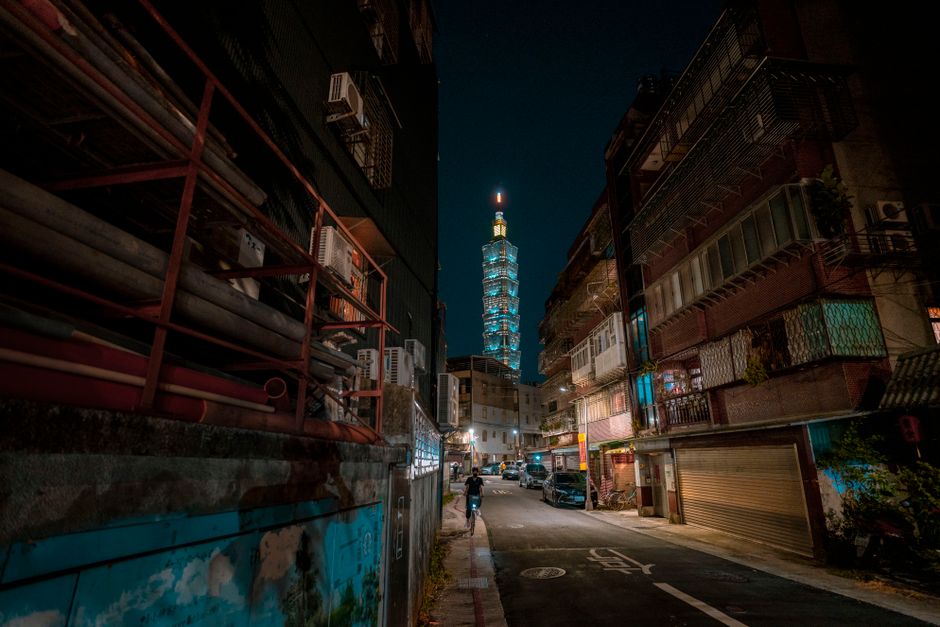
Beitou is the best hot spring choice for a first Taipei visit because it combines bathing, history and an easy walking route. The district feels separate from the city without requiring a long intercity journey. Walk through Beitou Park, visit the free Beitou Hot Spring Museum, continue to Thermal Valley, and reserve a public or private bath. The museum is open Tuesday through Sunday from 10:00 to 18:00 and closes on Monday; it displays local hot spring history but does not provide bathing services.
That distinction prevents one of the most common mistakes. Some visitors arrive at the museum expecting changing rooms and a soak. It is a cultural stop, not a bathhouse. The building also has visitor rules, including indoor slippers and capacity limits, so follow staff directions rather than treating it like an ordinary gallery.
When should you skip the famous hot spring facilities?
Skip a communal bath if you are uncomfortable with shared changing areas, tattoos that a facility restricts, or bathing without swimwear. Some visitors prefer a private room at a hotel or a day-use facility instead. That option costs more, but it removes uncertainty about privacy and access rules. Check the facility’s current policy before paying because opening hours, reservation rules and tattoo policies vary.
Do not plan Beitou around a late-night arrival. The district is better in daylight, when the park, museum and valley form one connected walk. For a relaxed schedule, arrive before 14:00 and leave after your bath. That is a stronger use of time than squeezing Beitou between a morning museum and a late dinner across the city.
What should you budget for transport in Taipei in 2026?
Use a stored-value card for most short visits
Taipei’s transport system is simple enough that many visitors overbuy passes. Current official fare information lists Taipei Metro single-journey fares from NT$20 to NT$65. An adult EasyCard is listed at NT$100 or NT$120 depending on the card type and availability. An adult iPASS is listed at NT$100. Both stored-value cards can be used across major local transport services, and stored-value users can receive transfer discounts on qualifying journeys.
| Option | Published cost | Best use | Verdict |
|---|---|---|---|
| Taipei Metro single journey | NT$20–65 | One or two rides | Cheapest if your schedule is mostly walkable |
| Adult EasyCard | NT$100 or NT$120 card price, plus stored value | Several rides and small purchases | Best default for most visitors |
| Adult iPASS | NT$100 card price, plus stored value | Transport across Taipei and nearby areas | Strong alternative to EasyCard |
| Megacity Pass | NT$1,200 | Heavy travel across Taipei, New Taipei, Taoyuan and Keelung-area services | Only buy it for a transport-heavy itinerary |
When not to buy a pass
Do not buy the NT$1,200 Megacity Pass for a three-day trip built around central Taipei, especially if you walk between neighborhoods. A stored-value card gives you more flexibility and avoids paying for unused rides. The pass becomes reasonable for a longer, transport-heavy stay that includes repeated travel across the wider metropolitan area, local buses, rail services and YouBike.
Reload before you reach zero, keep the card separate from contactless bank cards, and tap the same card when entering and leaving. This small habit prevents gate errors and makes transfers easier to track. Check the official Taipei Metro fare information before departure because fares and pass rules can change.
What can go wrong on a Taipei trip?
What if rain changes the plan?
Rain is not a reason to cancel Taipei, but it is a reason to rearrange the day. Put temples, covered shopping streets and museums first. Save a night market for a short dry window, and keep Beitou for a day when the walking paths are safe. Bring shoes that dry quickly; slippery pavement and wet stairways create more trouble than the rain itself.
Should you visit every famous attraction?
No. The strongest itinerary has one major area in the morning, one flexible area in the afternoon, and one food destination at night. Adding Taipei 101, Shilin, Longshan Temple and Beitou to the same day produces a map-shaped day rather than a good trip. Pick two major zones and leave space for a meal, a wrong turn or a sudden storm.
What is the clearest three-day structure?
Use day one for western Taipei: Longshan Temple, old streets, Ximending and Raohe Street or Ningxia Road at night. Use day two for central Taipei and Xinyi, with Taipei 101 in the late afternoon. Use day three for Beitou, with a hot spring visit after the museum and park walk. If your flight leaves early, move Beitou to day two and keep the final evening near your hotel.
The central lesson is simple: Taipei works best when you plan around neighborhoods, opening hours and energy levels. Its night markets, temples and hot springs are not separate checklist items. Together, they show a city that is likely to keep improving how visitors move between food, history and recovery without losing the local routines that made those places worth visiting.