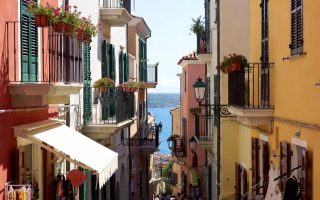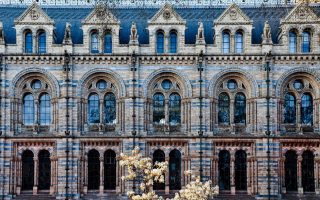
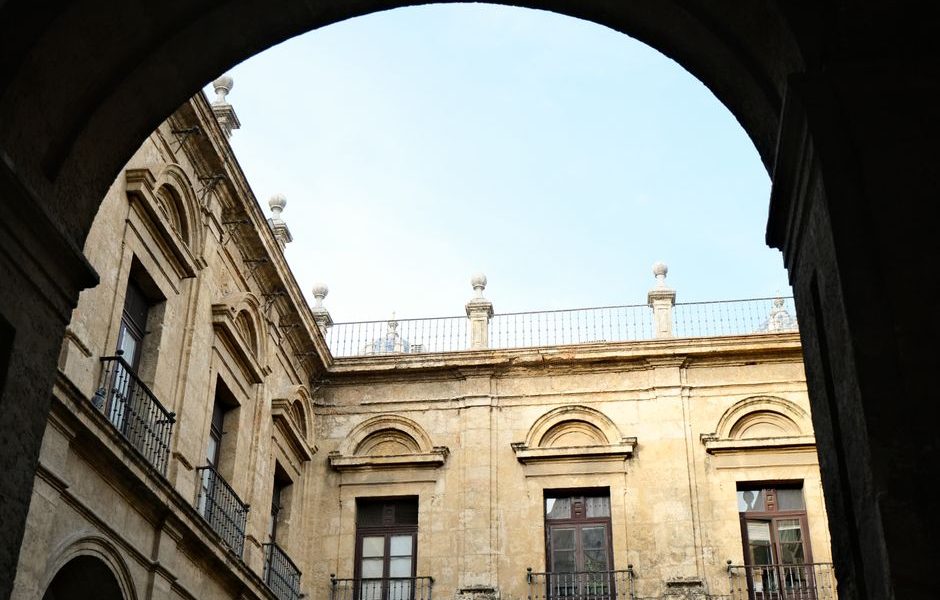
Wondering if Seville is worth visiting in winter? Yes. December gives you mild days, shorter queues, lower pressure on the city’s main sights, and enough festive atmosphere to make the trip feel special without turning it into a Christmas-market break. Seville is one of Europe’s best winter city destinations because its strongest feature is free: walking outside.
The city still has cool mornings and occasional rain, so this is not a beach holiday. It is a good month for courtyards, tapas, tiled plazas, historic churches, and long walks along the Guadalquivir. Plan around the shorter daylight hours and Christmas opening changes, and December becomes a smart time to see the Andalusian capital.
1. What is Seville like in December?
Is Seville warm enough for sightseeing?
For most travelers, yes. December afternoons in Seville often reach about 16–18°C, while early mornings and nights can fall to roughly 7–9°C. The difference matters. You may start a morning walk in a jacket, then feel comfortable in a shirt or light sweater when the sun reaches the stone streets.
Rain is possible, but long wet spells are not the usual pattern. A typical December has several rainy days rather than a month of constant rain. The practical answer is simple: pack one waterproof layer, but build your day around outdoor sightseeing. The city’s winter light is especially good around the Plaza de España and the riverfront.
Does Seville feel busy in winter?
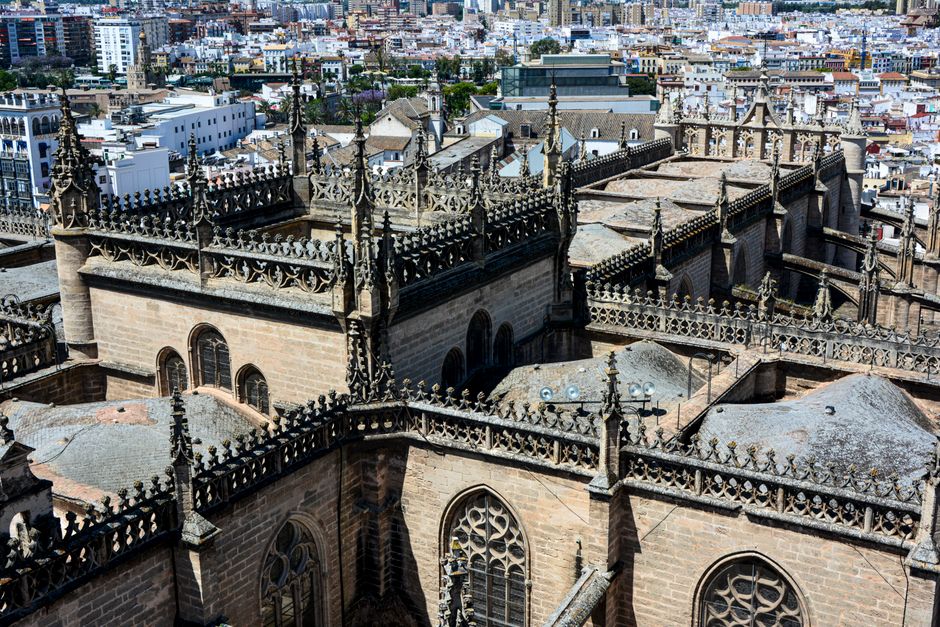
Seville does not become empty in December. The Real Alcázar, Seville Cathedral, and Plaza de España remain popular. Still, the city feels easier than it does during the hottest months or the major spring festivals. You can cross the historic center without fighting through heat and crowds at every corner.
December also changes the mood. Locals still use the plazas, cafés, and neighborhood bars, while visitors tend to move at a calmer pace. That balance is the main reason to choose winter: you get a living city rather than a sightseeing set built only for tourists.
2. Why December is the best month for walking Seville
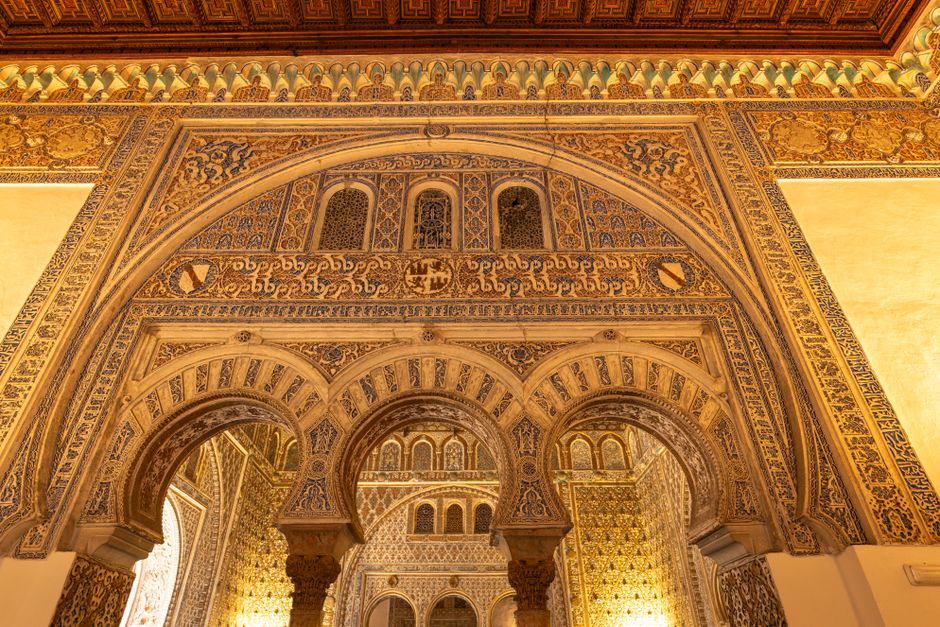
My clear pick: choose December if your priority is seeing Seville on foot. The city’s landmarks sit close enough together to form excellent walking days, and winter removes the biggest obstacle to that plan: punishing heat.
Use the cool morning for the old center
- Start near Seville Cathedral before the streets fill. Allow around 90 minutes for the cathedral and Giralda area, including time for security and photos.
- Walk through the Archivo de Indias area toward the Real Alcázar. Book a timed entry in advance for December weekends and holiday dates.
- Continue through Santa Cruz, but leave room for wrong turns. The narrow lanes are part of the experience, not wasted time.
- Stop for lunch between 1:30 and 3:00 p.m., when many local restaurants follow Spanish meal hours.
Save the open spaces for afternoon light
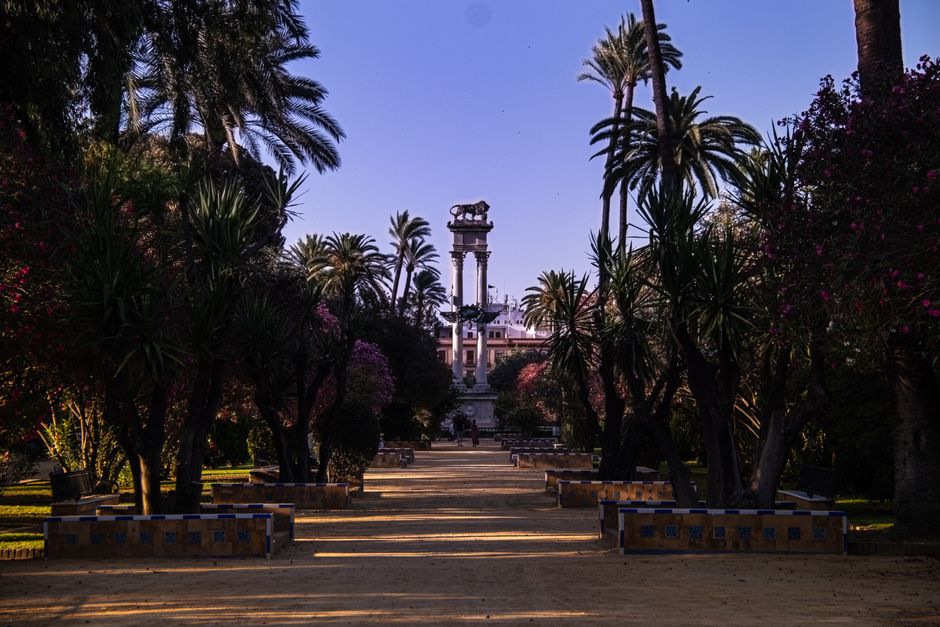
After lunch, walk toward Plaza de España and María Luisa Park. The route gives you a change of scale after the tight streets of Santa Cruz. In December, the lower sun creates strong shadows across the plaza’s ceramic benches and long colonnades. Bring a layer because the shade can feel much cooler than the sunny side of the square.
Finish by the Guadalquivir or in Triana rather than rushing back to the hotel. A winter day in Seville works best when you leave one hour unplanned. That spare time covers a slow coffee, a closed church, a sudden shower, or a street that deserves a second look.
3. Seville December weather: what to pack and plan
December packing for Seville should solve two problems at once: cool mornings and mild afternoons. Heavy winter clothing usually creates more trouble than it solves. Layers give you control as the temperature changes.
Typical December conditions
| Travel factor | What to expect | Best response |
|---|---|---|
| Afternoon temperature | About 16–18°C | Wear a shirt or light sweater with a removable outer layer |
| Night temperature | About 7–9°C | Carry a warmer jacket for dinner and evening walks |
| Rain | Several wet days are possible | Pack a compact waterproof jacket and protect your phone |
| Daylight | Roughly 9 hours 40 minutes around the winter solstice | Place outdoor sights before late afternoon |
| Sun exposure | Bright midday sun remains common | Use sunglasses and keep water with you on long walks |
Pack for stone streets and changing temperatures
Choose comfortable walking shoes with a secure sole. Seville’s historic center combines smooth paving, uneven stone, tiled floors, and long stretches without a bench. Add a thin base layer, a sweater, a light waterproof jacket, and one warmer item for night. An umbrella is useful, but a hooded jacket leaves both hands free for maps and photographs.
Do not pack as if Seville were northern Europe. A thick coat, bulky boots, and multiple heavy jumpers will feel excessive during sunny afternoons. The better setup is a small day bag with sunglasses, water, a rain layer, and room to remove one layer. That choice keeps your walking route comfortable from breakfast through dinner.
4. What changes in Seville around Christmas?
December is attractive partly because it adds seasonal life without changing Seville into a single-purpose holiday destination. Lights appear along major shopping streets, nativity displays become part of the city’s visual rhythm, and central squares feel more active after dark. The festive details are local and woven into normal city life.
Expect special hours, not a full shutdown
The main problem is not finding something to do. It is assuming every museum, monument, and restaurant follows its normal schedule. Opening hours can change on December 24, December 25, December 31, and January 1. Some smaller businesses close for part of the afternoon even outside those dates. Check official opening information close to your visit and book the sights that matter most.
Christmas Day deserves special care. Transport may run on a reduced schedule, restaurants may require reservations, and some attractions may close completely. If your trip includes December 25, treat that day as a walking and food-planning day rather than building it around several paid admissions.
Plan the festive parts with local timing
Seville’s Christmas atmosphere is strongest after sunset, but sunset comes early in December, often shortly after 6 p.m. This makes it easy to combine sightseeing and evening lights. Visit an indoor attraction in the morning, take a long lunch, then walk the illuminated center before dinner.
Shopping streets near Calle Sierpes and Tetuán can feel busy in the final days before Christmas. That is useful if you want seasonal energy, but less appealing if you want quiet photography. For a calmer evening, cross toward the river, walk through Triana, or choose a neighborhood restaurant away from the busiest central streets.
The mistake to avoid is packing every day with reservations. Weather, holiday hours, and Spanish meal times all reward flexibility. Reserve one major sight per half-day, then use the spaces between them for plazas, markets, churches, and cafés.
5. When December is the wrong month for Seville
Choose another season if your main goal is guaranteed warmth, late sunsets, or outdoor swimming. December is mild, not hot, and rain can interrupt a carefully timed itinerary.
December works best for travelers who want
- Comfortable temperatures for long city walks.
- Historic sights without peak-summer heat.
- Festive lights and local Christmas traditions.
- A relaxed city break built around food, architecture, and neighborhoods.
- Shorter outdoor queues and more room to change plans.
Choose spring or summer for a different trip
Spring is the stronger choice for long evenings, gardens in bloom, and the city’s major festival season, though demand and prices can rise sharply around key dates. Summer suits travelers who want late dinners and intense heat, but daytime sightseeing becomes harder, especially in July and August. Autumn offers a useful middle ground with warmer evenings and fewer festival crowds.
For most first-time visitors, December remains the better choice when the trip is about understanding Seville rather than chasing perfect beach weather. You can walk farther, stop more often, and see the city’s grand spaces without spending the day escaping the sun. The single best reason to visit Seville in December is that mild weather lets you experience the city at street level, where its character is strongest.