Your Friday flight leaves at 7 a.m. The forecast shows 46°F at breakfast, 68°F by lunch, and rain after dinner. Your hotel has no laundry room, and the city is best explored on foot. That is the real shoulder-season packing problem: one small bag must handle changing temperatures, wet streets, long walks, and five days of usable outfits. No state law is discussed on this page. This is not legal advice — consult a licensed attorney for legal questions; the guidance below covers practical travel planning.
How to plan layers for unstable city weather
Build layers, not outfits. That is the clearest rule for a five-day city break in spring or autumn. A warm shirt, an insulating middle layer, and a weatherproof outer layer can cover a wider temperature range than one heavy coat. This system also gives you control inside museums, restaurants, trains, and overheated hotel rooms.
Why three light layers beat one heavy coat
The body loses comfort when wind, rain, sweat, and temperature changes arrive together. A base layer moves moisture away from the skin. A middle layer adds warmth without taking much space. An outer shell blocks rain and wind. Remove one piece when the sun appears; add it again beside the river at night. This approach typically works from about 45°F to 70°F, although wind and personal comfort still matter.
A heavy winter coat can solve a cold morning but create four problems later: it occupies half the bag, becomes uncomfortable indoors, dries slowly, and looks excessive during mild afternoons. A thin layering system also gives you a better backup if one item becomes damp.
The five-day capsule math
Pack two pairs of trousers, four tops, one warm middle layer, one rain shell, five pairs of underwear, five pairs of socks, sleepwear, and one pair of walking shoes. Wear the bulkiest shoes and outer layer during transit. Choose colors that work together so every top pairs with both trousers. The goal is not five different outfits. It is at least eight combinations from a small set of pieces.
Use the weather forecast for the destination, not your home airport. Check the forecast seven days before departure, then make the final decision 24 hours before leaving. Rain probability, overnight lows, wind speed, and expected walking time matter more than the daily high alone.
What belongs in a five-day city-break bag

The most reliable packing list starts with limits. If an item cannot handle at least two situations, it needs a strong reason to come along.
The clothing count
- Two pairs of trousers: one comfortable walking pair and one cleaner pair for dinner or indoor venues.
- Four tops: two short-sleeve shirts, one long-sleeve shirt, and one top that can look presentable on its own.
- One insulating layer: a thin fleece, cardigan, light sweater, or packable vest.
- One waterproof outer layer with a hood. A compact umbrella can supplement it, but should not replace it in windy rain.
- Five pairs of underwear and socks, plus one spare pair of socks in the personal item.
- One sleep outfit and one pair of shoes that can handle at least 15,000 steps without rubbing.
The small items people forget
Pack blister plasters, pain relief, prescription medicine, a reusable water bottle, sunglasses, lip balm, a small laundry bag, and a phone charging cable. Keep medicine, documents, one change of underwear, and one warm layer in your personal item in case checked luggage is delayed.
Toiletries should fit inside the destination’s airport liquid limit. A 100 ml container still fails if the product spills into the bag, so use leak-resistant bottles inside a sealed pouch. Pack a small stain-removal pen because city food, rainwater, and public transport seats are more common threats than formal dress codes.
Do not pack five pairs of shoes, a separate outfit for every evening, or bulky “just in case” clothing. For a five-day break, the best list usually fits in a 25- to 35-liter carry-on backpack or a small rolling bag, leaving enough room for a book or a few souvenirs.
Which travel layers earn space in 2026
Product choice matters most for the three pieces that control comfort: the rain shell, the base layer, and the insulating layer. Prices below are US prices checked in 2026 and can change by color, size, sale, or stock status. None of these examples requires an affiliate purchase.
| Item | Example | Useful specification | Listed price | Verdict |
|---|---|---|---|---|
| Rain shell | Patagonia Torrentshell 3L Rain Jacket | Three-layer construction; H2No waterproof standard | $189 | Best for wet, windy walking trips |
| Base layer | Smartwool Classic All-Season Merino Crew | 150 g/m² merino fabric; 88% merino and 12% recycled nylon | $100 | Best for repeated wear and changing temperatures |
| Insulating layer | Uniqlo Ultra Light Down Vest | 750+ fill power; pocketable design; water-repellent finish | $49.90 listed for the 2026 version | Best warmth-to-bag-space ratio |
Best rain shell: Patagonia Torrentshell 3L
The Torrentshell earns its space when rain is a real part of the forecast. Its three-layer build is more protective and durable than a thin emergency poncho, while the $189 price remains lower than many technical shells. Pick it for destinations with exposed promenades, frequent showers, or cold wind. Skip it for a dry indoor-focused trip if you already own a reliable waterproof jacket.
Best warmth-to-space choice: Uniqlo Ultra Light Down Vest
The Uniqlo vest is the strongest choice for mild mornings and cold restaurants because it adds core warmth without restricting the arms. The 750+ fill-power version packs into a small pouch. It is not a rain jacket, and down loses much of its insulating value when soaked. Pair it with a shell; do not treat its water-repellent finish as storm protection.
What packing mistakes cause cold, wet, expensive days

Should you trust the daily high?
No. A 65°F high does not describe the 7 a.m. airport transfer, the shaded walking route, or the wind after sunset. Check the hourly forecast and pack for the coldest two hours plus the wettest likely period. A small thermometer is unnecessary; the forecast, wind speed, and local transit plans provide enough information.
Is one pair of shoes enough?
For most five-day city breaks, yes. One broken-in walking shoe is lighter and safer than two pairs that both cause blisters. Choose a pair with a stable sole, enough toe room, and a tread that can manage wet pavement. Do not bring brand-new shoes on departure day. Test them on a long walk at home first.
What should you leave behind?
Leave behind cotton-only base layers for cold, wet destinations. Cotton holds moisture and dries slowly. Leave behind a large towel, full-size toiletries, a separate outfit for every dinner, and a coat that only works below freezing. The common failure is not underpacking; it is packing single-purpose items that cannot adapt.
Another mistake is putting all weather protection in checked luggage. Keep the shell, medication, documents, charger, and one warm layer in the personal item. That small decision can prevent an expensive airport purchase after a delayed bag.
When to buy new gear and when to reuse what you own
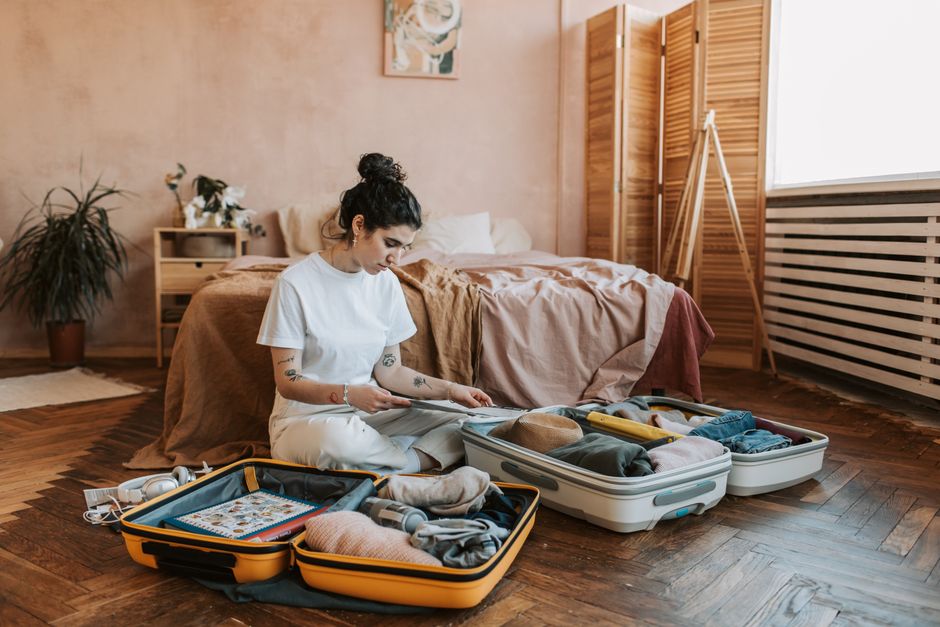
Buy one missing layer, not a whole travel wardrobe. A new purchase makes sense only when your current gear has a clear failure: leaking seams, painful shoes, no warm middle layer, or fabric that stays wet all day. If your closet already contains a comfortable long-sleeve shirt, a light sweater, and a waterproof jacket, buying a new merino top may add cost without adding useful coverage.
| Your situation | Best choice | Why |
|---|---|---|
| Forecast includes steady rain and strong wind | Buy or borrow a true waterproof shell | Water resistance and wind blocking matter more than insulation |
| Cool mornings, mild afternoons, little rain | Use a thin base layer plus light vest or sweater | Easy temperature control and low bag volume |
| Mostly museums, cafés, and short taxi rides | Reuse a clean casual jacket | A technical shell may be unnecessary for limited outdoor time |
| Long daily walks and no laundry | Choose merino or quick-drying fabrics | They manage repeated wear better than heavy cotton |
When merino is worth the price
The Smartwool Classic All-Season Merino Crew at $100 is a strong choice for travelers who want one shirt to work under a sweater, on its own, and during repeated wear. Its 150 g/m² weight is light enough for mild weather. Do not buy it just because merino is fashionable: a $35 quick-drying synthetic shirt can work well for a short trip if you plan to wash it at the hotel.
When a vest is the wrong purchase
Do not buy the Uniqlo Ultra Light Down Vest if your destination is likely to be wet for hours and you lack a waterproof shell. Do not buy it for a below-freezing trip where your legs, hands, and head also need serious protection. For a five-day shoulder-season city break with mixed temperatures, though, it is the clearest compact insulation pick.
The practical comparison is simple: choose the Patagonia shell for rain, the Smartwool base layer for repeated wear, and the Uniqlo vest for low-volume warmth. Reuse existing clothing when it already covers the forecast.