Advanced skiing is not the same as choosing the resort with the most black runs. A strong skier needs terrain that stays interesting after the first morning, lifts that reach serious lines, reliable route information, and enough lower-risk options for bad visibility or tired legs. A resort can advertise 300 kilometres of pistes and still feel flat, crowded, or badly connected.
This ranking weighs steepness, lift-served freeride access, altitude, snow reliability, terrain variety, lift logistics, and the cost of a realistic ski day. The figures below use published resort data and 2026–27 tariffs where available. Prices change by date, booking channel, age band, and weather policy, so treat them as planning figures rather than guaranteed quotes.
How to Rank an Alpine Resort for Advanced Skiing
The scoring method behind the seven picks
The strongest resort for an advanced skier gives you more than one famous descent. It offers several ways to spend a day: steep groomers before lunch, technical off-piste with a qualified guide, a long valley run when the upper mountain closes, and a sensible route back to town. I gave the most weight to terrain quality and access, then used snow reliability, navigation, and cost to separate close contenders.
| Rank | Resort | Why advanced skiers go | Useful 2026 planning figure |
|---|---|---|---|
| 1 | Verbier, Switzerland | High-speed lift access to steep lines and marked freeride itineraries | 4 Vallées: 410 km, highest point 3,330 m |
| 2 | Chamonix, France | Serious high-mountain routes and a guide-led culture | Mont Blanc Unlimited from €70 online |
| 3 | Tignes–Val d’Isère, France | High, varied terrain with dependable lift-served mileage | 300 km; six-to-seven-day pass listed at €468 |
| 4 | Ski Arlberg, Austria | Large connected network plus extensive freeride terrain | 305 km of runs and about 200 km of freeride terrain |
| 5 | Zermatt–Cervinia, Switzerland and Italy | High-altitude skiing across an international border | Up to 360 km; flexible pricing at purchase |
| 6 | Les Arcs–Paradiski, France | Fast lifts, long descents, and broad high-altitude coverage | 425 km on the Paradiski pass; Les Arcs six-day pass from €368 |
| 7 | La Grave, France | Unmarked, guide-led big-mountain skiing | Small lift system; no conventional piste network |
What the ranking does not promise
A high position does not mean every run suits every skier. Verbier rewards confident route choice, but its most famous lines are not casual lift-access laps. Chamonix has world-class terrain, yet its valley areas are not linked like a single resort. La Grave is extraordinary for a prepared ski mountaineer and a poor choice for anyone expecting groomed cruising, childcare, or a large beginner network.
The ranking is aimed at skiers who can control speed on steep snow, read changing surfaces, and make conservative decisions when visibility, wind, or avalanche risk changes. Resort marketing cannot remove those risks.
The Two Strongest Picks for Steep, Lift-Served Terrain
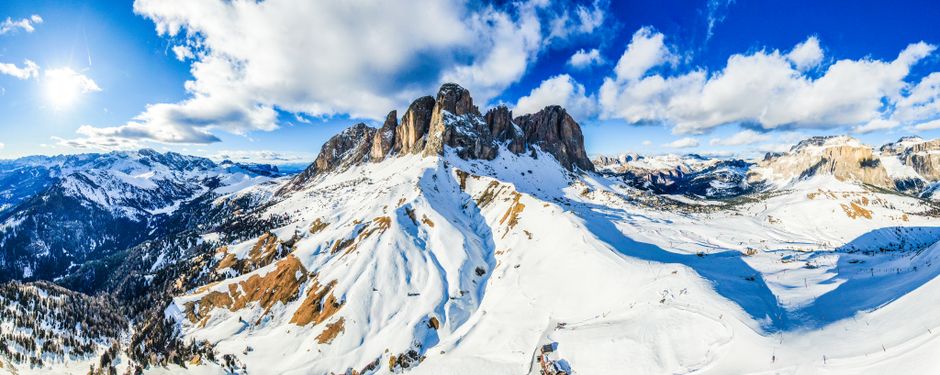
Verbier is the clearest all-round winner for advanced skiers who want lift access to serious terrain without giving up a lively base village. Chamonix takes second place because its skiing is more dramatic, but also more dependent on guides, transport, weather windows, and mountain judgment.
1. Verbier gives you the best balance of access and challenge
The 4 Vallées network reaches 3,330 metres and lists 410 kilometres of slopes, 80 lifts, five connected resorts, and seven marked off-piste itineraries. The terrain mix matters more than the headline distance: the resort reports 53% red runs and 14% black runs, while the yellow itineraries create a bridge between groomed piste skiing and full backcountry travel.
For an advanced skier, the practical plan is simple. Start with a warm-up on a red or black route, then move toward Mont Fort or the Col de Chassoure only after checking wind, avalanche bulletins, and the last lift times. The famous Tortin route can become hard, crowded, and scraped late in the day. A strong skier who treats it as a trophy run rather than a technical descent can spend the afternoon managing avoidable problems.
Verdict: Choose Verbier for the best mix of steep lift-served skiing, marked freeride routes, village life, and repeatable day plans. Do not choose it for a relaxed family week with one confident skier and several beginners unless your group is happy to split up.
2. Chamonix is the best choice for big-mountain depth
Chamonix is not one neat ski bowl. It is a valley with separate areas, including Grands Montets, Brévent, Flégère, Le Tour, and Les Houches. That layout creates the resort’s biggest strength and its biggest weakness. You can chase different snow and aspects across the valley, but you need buses, timing, and a realistic view of what one lift pass covers.
The Mont Blanc Unlimited pass covers ten ski areas and excursion sites, with online prices listed from €70. Chamonix also reaches the high mountain through places such as Aiguille du Midi, but a cable-car ticket is not a guarantee of a safe ski descent. Vallée Blanche terrain is glaciated, crevassed, and guide territory for anyone without the right route knowledge and rescue skills.
Verdict: Pick Chamonix when your priority is technical, guide-led adventure and changing mountain objectives. Pick Verbier instead when you want to ski hard terrain independently from a compact village base.
Best High-Altitude Pair for Long, Technical Days
Why does Tignes–Val d’Isère rank third?
Tignes–Val d’Isère is the most dependable choice here for a skier who wants a large, high ski area with clear piste infrastructure and plenty of difficult options. The linked domain has 300 kilometres of slopes, reaches roughly 3,456 metres at its highest lift-served points, and stays useful when lower Alpine resorts are dealing with thin cover. The mountain also gives you different types of challenge: steep marked pistes, long red descents, couloirs accessed from lifts, and open bowls that require careful route selection.
The published 2026–27 adult winter tariff lists €78 for one day and €468 for a six-to-seven-day pass during the main period. That is not cheap, but the cost buys a connected network rather than a single signature face. The main failure mode is overestimating how much ground you can cover. Crossing between Tignes and Val d’Isère takes time, and a late traverse can leave you on the wrong side of the area when lifts close.
Verdict: Tignes–Val d’Isère is the best pick for a strong piste skier who wants technical variety, altitude, and a lower navigation burden than Chamonix.
Why does Ski Arlberg rank fourth?
Ski Arlberg links St. Anton, St. Christoph, Stuben, Lech, Zürs, Warth, and Schröcken through a large lift network. The area lists 305 kilometres of ski runs and roughly 200 kilometres of freeride terrain. That combination gives advanced skiers enormous choice, especially after a storm, when the ungroomed routes around Stuben, Zürs, and Warth can offer far more interest than the piste map suggests.
The 2026–27 main-season adult day pass is listed at €85, with the main season running from December 19, 2026, to April 2, 2027. Ski Arlberg also warns that its safety card is not a full accident insurance policy. That distinction matters. A lift-area rescue benefit is not the same as medical cover, mountain evacuation cover, equipment protection, or cancellation cover.
Verdict: Choose Ski Arlberg for storm-day variety and a large freeride playground. Avoid it if you dislike long traverses, variable snow, or a resort where the best terrain often lies beyond the groomed piste.
Where Variety Beats Pure Steepness
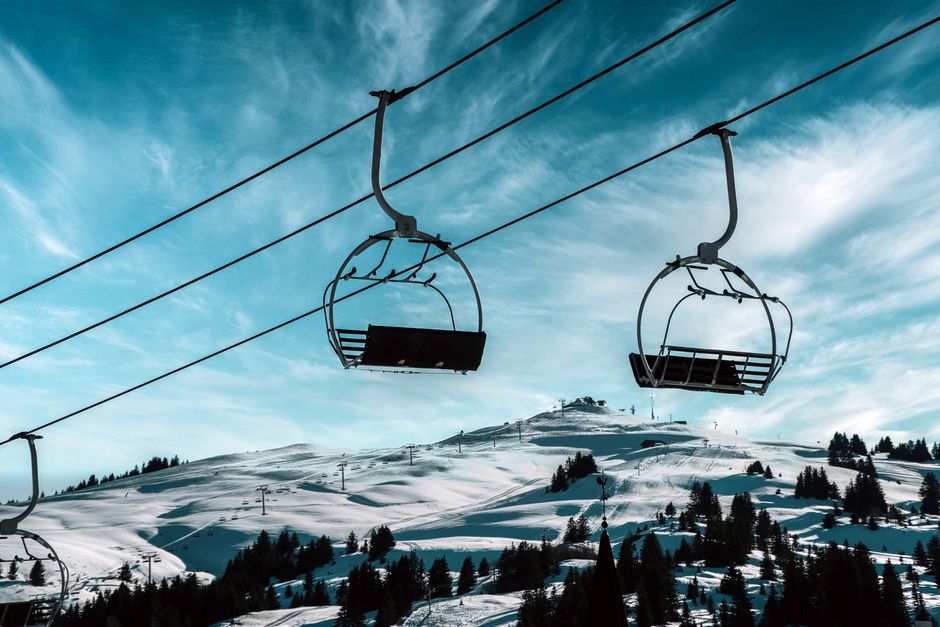
These resorts earn their places through range. They are not ranked above the first four for pure technical skiing, but they can deliver a better trip when your group wants difficult runs, long mileage, high scenery, and a little more flexibility.
- Zermatt–Cervinia: The international ski area offers up to 360 kilometres of slopes and lets you cross between Switzerland and Italy when the lifts and weather allow. Its altitude is a major asset, but wind closures, expensive accommodation, and long return routes can punish poor timing. The official pass system uses flexible pricing, so check the final date-specific amount before budgeting.
- Les Arcs–Paradiski: Les Arcs alone has 200 kilometres of slopes, while the wider Paradiski link reaches 425 kilometres through the Vanoise Express. About 70% of the Les Arcs area sits above 2,000 metres. The 2026–27 public price lists a six-day Les Arcs Classic pass at €368, or €412 for the Essential option. This is the value pick for advanced skiers who want long high-altitude days without Swiss pricing.
- Do not confuse kilometres with difficulty: A large piste network can contain many easy and intermediate runs. Before booking, inspect the black-run count, lift layout, high-point access, and the return route to your accommodation. A resort with fewer kilometres can provide better advanced skiing if its lifts serve steeper terrain with less queueing.
Which resort wins for a mixed advanced group?
Les Arcs is the strongest compromise. A confident skier can spend the day on Aiguille Rouge and the high traverses while less aggressive friends find broad intermediate routes and simple lift connections. Zermatt is more memorable for altitude and scenery, but its prices and cross-border timing make it a less forgiving group choice.
When should an advanced skier skip both?
Skip both if the trip is built around deep storm skiing with no guide budget. Zermatt and Les Arcs both have strong lift-served options, but neither removes avalanche exposure. For a powder-focused week, reserve money for a qualified local guide and do not assume a marked itinerary has the same risk profile as a groomed piste.
The Wild-Card Choice: La Grave for Serious Ski Mountaineers
The terrain case for La Grave
La Grave is the outlier in this ranking because it is not a conventional resort. A small lift system carries skiers into a huge, mostly unmarked mountain environment. There is no tidy collection of groomed blue, red, and black runs waiting at every turn. Instead, the appeal is vertical scale, route finding, changing snow, and the feeling that the mountain has not been flattened into a theme park.
That makes La Grave the most rewarding option for a narrow type of advanced skier: someone who can ski variable snow, understands avalanche terrain, carries the correct equipment, and is willing to hire a professional mountain guide. The lift ride may be simple. The descent is not. A line that looks obvious from above can hide cliffs, glaciers, thin cover, or a long exit through terrain that becomes difficult when legs are tired.
The cost of choosing the wrong ability level
The failure mode is not merely a disappointing holiday. A skier who arrives expecting a standard piste resort may ignore a guide recommendation, enter terrain above their skill level, or lose valuable daylight on a route that does not lead back easily. Rescue, evacuation, medical treatment, and repatriation costs can also fall outside ordinary travel policies. Read the exclusions before departure and check if the policy covers off-piste skiing, glacier travel, avalanche rescue, and skiing above a stated altitude.
Insurance provider quality still needs scrutiny. AM Best ratings can help you judge an insurer’s financial strength, while J.D. Power scores can offer a separate view of customer experience. Neither rating proves that a particular policy covers your planned descent. Premiums vary by state, age, medical history, trip cost, and selected limits, so get multiple quotes and read the wording instead of relying on a brand name.
The clear verdict
La Grave is the best choice for a serious ski mountaineer who wants raw terrain and guide-led descents. It is the wrong choice for a resort holiday built around groomed laps, nightlife, children’s lessons, or easy weather backup plans. For most advanced skiers, Verbier or Tignes–Val d’Isère offers more usable skiing across a full week.
How to Book the Right Resort Without Buying the Wrong Week
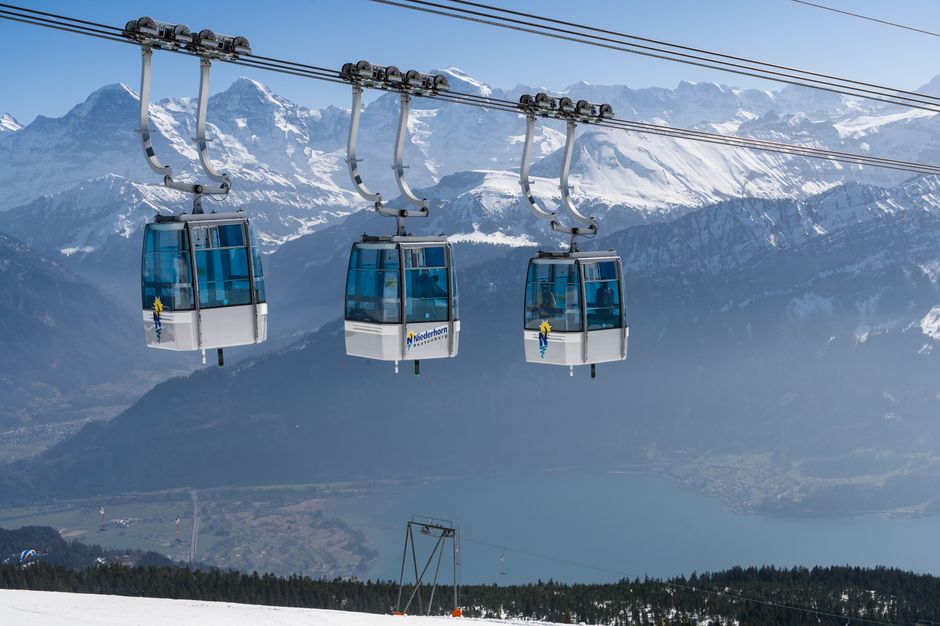
Use this five-step filter before paying
- Define your real skiing level. If you ski black pistes confidently but rarely enter avalanche terrain, choose Tignes–Val d’Isère or Les Arcs before La Grave.
- Check the altitude of the terrain you will actually ski. A resort’s highest point may require a separate lift, a guide, or a route that closes in wind.
- Price the full lift product. Compare one-day, six-day, early-booking, and local-sector passes. A cheap local pass can be better than paying for a huge domain you will not reach.
- Match the resort to the snow window. High terrain helps in warm periods, but wind exposure can close the very lifts you planned to use.
- Read insurance exclusions before booking accommodation. Confirm medical evacuation, off-piste limits, avalanche rescue, equipment cover, and cancellation terms. Get multiple quotes because premiums and rules vary by state and individual factors.
Three booking traps that catch advanced skiers
The first trap is buying a full-area pass before checking the map. The second is booking a low village because it is cheaper, then losing an hour each morning to buses and lift queues. The third is treating a marked yellow itinerary or ungroomed route as a normal piste. Those choices can waste money, reduce usable ski time, and turn an ambitious day into a rushed descent.
Check the official tariff and operating calendar close to departure. The 2026–27 Ski Arlberg tariff lists its main season dates and €85 adult day rate; Val d’Isère publishes its 300-kilometre domain and €78 main-season day rate; Les Arcs lists €368 for a six-day Classic pass; and Chamonix publishes online pass prices from €70 for Mont Blanc Unlimited. Those figures are useful comparisons, but each resort applies its own booking rules, date bands, refunds, and closure policies.
Final comparison for advanced skiers
| Resort | Best for | Main warning | Final call |
|---|---|---|---|
| Verbier | Lift-served steep terrain and marked freeride | Famous lines demand conservative route choice | Best all-round pick |
| Chamonix | Guide-led high-mountain skiing | Separate areas and serious glaciated terrain | Best for big-mountain depth |
| Tignes–Val d’Isère | High, connected, varied skiing | Long crossings and late-return risk | Best for technical piste mileage |
| Ski Arlberg | Freeride variety after snowfall | Ungroomed terrain and €85 main-season day pass | Best storm-day network |
| Zermatt–Cervinia | Altitude and international skiing | Flexible pricing and expensive logistics | Best for scenery and altitude |
| Les Arcs–Paradiski | Strong groups with mixed ability | Large map can mean wasted transfers | Best compromise value |
| La Grave | Serious ski mountaineering | No conventional piste safety net | Best specialist choice |
The shortest answer is clear: book Verbier for the strongest overall advanced-skiing trip, Tignes–Val d’Isère for high-altitude piste depth, Chamonix for guided mountain objectives, and La Grave only when the entire group understands the commitment.