
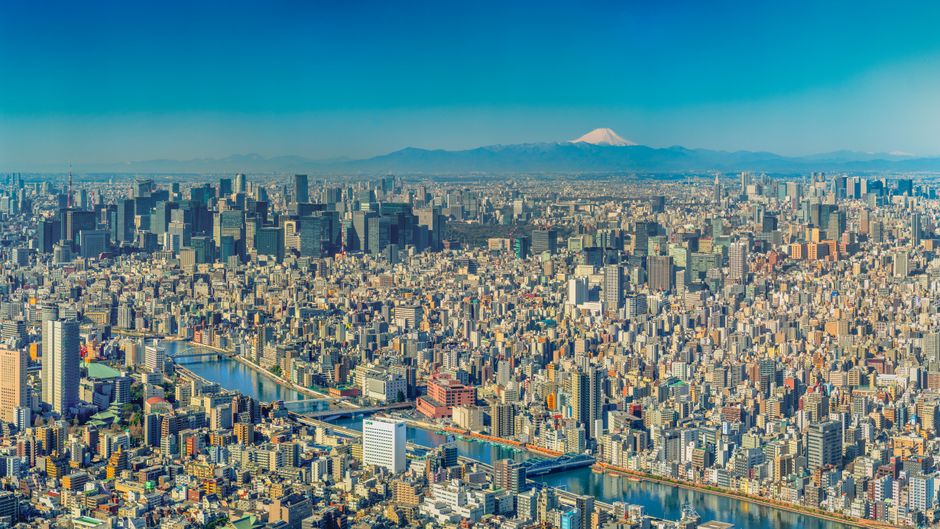
At 7:00 a.m., Hanoi’s Old Quarter can feel like a different city: steaming noodle stalls are open, shop shutters are lifting, and the tour groups have not reached the narrow lanes yet. That quiet window often matters more than choosing a famous destination.
March is a useful travel month across parts of Asia, but “shoulder season” does not guarantee empty streets. Cherry blossom forecasts can fill Japanese cities, haze can disrupt northern Thailand and Laos, and tropical heat can make a beautiful route unpleasant by midday. The practical answer is to match the city, weather pattern, and walking start time instead of relying on a season label.
Which Asian cities are quietest for March walking?
The best March city choices at a glance
For the best balance of comfortable weather and manageable visitor numbers, choose Hanoi or Hoi An. George Town works well for travelers who can start early and handle heat. Taipei is easy to explore but needs a rain plan. Luang Prabang offers calm streets, yet late-March smoke can cancel out its appeal.
| City | Typical March conditions | Best walking area | Main crowd warning |
|---|---|---|---|
| Hanoi | 18–25°C, cloudy with occasional rain | Old Quarter, Hoan Kiem Lake, French Quarter | Weekend evenings and popular food streets |
| Taipei | 15–22°C, damp and changeable | Dadaocheng, Zhongshan, riverside paths | Rain pushes visitors into the same covered markets |
| Hoi An | 22–29°C, often dry and bright | Old Town, Cam Kim, Tra Que village | Coach groups arrive after about 9:30 a.m. |
| George Town | 24–32°C, hot with brief showers | Armenian Street, clan jetties, Northam Road | Heat builds quickly after 11:00 a.m. |
| Luang Prabang | 18–34°C, dry but increasingly hot | Old Town, Mekong bank, Phousi foothills | Smoke risk rises later in the dry season |
Where “shoulder season” fails
Kyoto, Tokyo, and Osaka may become crowded from late March if cherry blossoms open early. Chiang Mai and nearby northern Thai cities can face agricultural burning and poor air quality. Luang Prabang has a similar risk because smoke levels vary by day and location. If quiet walking is the main goal, Hanoi and Hoi An are the strongest picks. If blossom viewing is the main goal, accept that the trip is no longer a low-crowd plan.
When should you start each city walk?
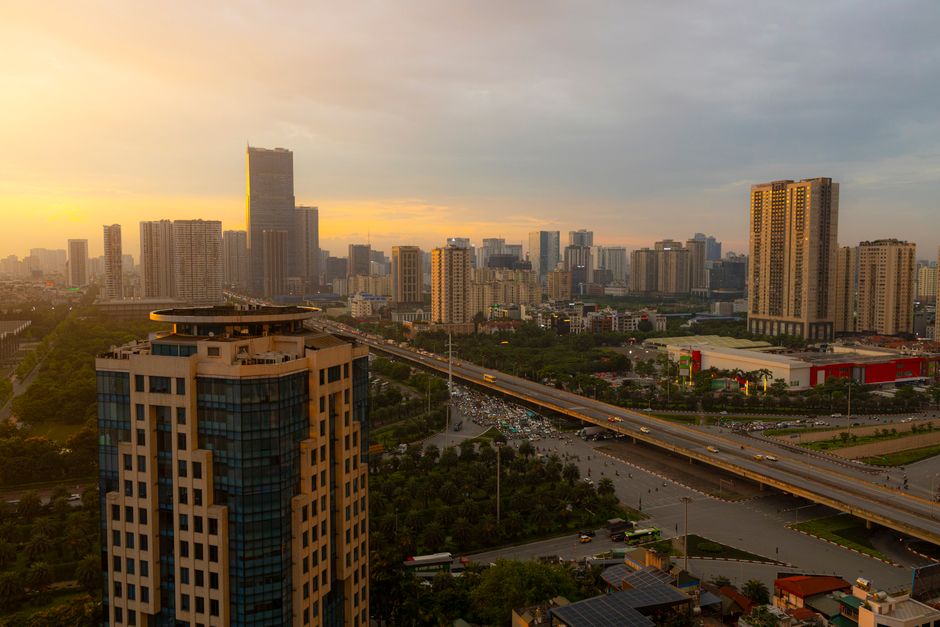
Use this three-slot daily schedule
- 7:00–9:30 a.m.: Start in historic districts, markets, temple lanes, or waterfront areas. The light is softer, shopkeepers are preparing for the day, and most coach groups are still at breakfast.
- 9:30 a.m.–3:30 p.m.: Move indoors or choose short connected walks. Use museums, covered markets, cafés, and shaded arcades during the hottest or wettest period.
- 4:00–6:30 p.m.: Return to a riverside, lake, or residential neighborhood. This slot works for local street life, but major viewpoints and food streets may become busy.
Change the start time by city
In Hanoi, begin around Hoan Kiem Lake before 7:30 a.m., then continue through the Old Quarter while deliveries are still moving through the lanes. In Hoi An, walk the old center at 6:30 or 7:00 a.m. and save the lantern streets for a short evening visit. In George Town, start by 7:00 a.m.; the humidity becomes tiring well before noon. Taipei gives you more flexibility because its cooler March temperatures support a late-morning start, but rain can turn a popular market into a bottleneck.
The clear rule is simple: put your most famous street first, not last. A route that starts at a quiet residential edge and finishes at a major attraction usually ends with the largest crowds.
How do you build a low-crowd walking route?
Use a three-zone route
Build each day around three connected zones: one landmark, one ordinary neighborhood, and one recovery stop. The landmark gives the walk a clear anchor. The ordinary neighborhood supplies the local detail that organized tours usually skip. The recovery stop gives you shade, food, or a place to wait out rain.
For example, a Hoi An morning can start at the Japanese Covered Bridge, continue through the quieter western lanes near the old walls, and finish at a riverside café before the coach groups arrive. In Hanoi, connect Hoan Kiem Lake to the French Quarter, then walk south toward quieter streets around the Opera House instead of staying inside the busiest Old Quarter loop. In Taipei, link Dadaocheng to the riverside and finish near a covered market only if the weather turns.
Avoid the transit funnel
Tour groups follow efficient paths: hotel to landmark, landmark to restaurant, restaurant to shopping street. Those paths create what walkers experience as a transit funnel. You can avoid it by entering a district from a side street, crossing the main attraction once, then leaving through a residential or commercial edge.
Do not stack three famous sights in one morning. That plan looks efficient on a map but creates long queues, repeated photo stops, and little time for the streets between attractions. Two major stops plus one unplanned neighborhood produces a better walk.
Also check the return route before leaving. A quiet lane may end at a highway, closed temple gate, or private compound. Save a second exit on your map and carry enough water for a 30-minute delay. The best low-crowd route is not the shortest route; it is the route with two exits, shade, and a useful stop every 60 to 90 minutes.
Which planning tools are actually worth using?
Download maps before leaving the hotel
Google Maps is free and useful for opening hours, walking estimates, public reviews, and saved pins. Download the relevant city area before going out, then check the route while you still have Wi-Fi. Organic Maps is also free and works offline, which makes it the better backup in narrow lanes or places with weak mobile coverage. Save your hotel, nearest hospital, two cafés, and the planned exit point rather than saving only attractions.
Check weather and transport separately
Windy has a free forecast map that helps you spot rain bands, strong heat, and changing wind direction. It cannot tell you if a lane is pleasant, but it can tell you when a riverside walk is a poor idea. Grab has no download fee and shows the ride price before booking in supported cities; use it for a one-way escape when heat, rain, or air quality ends the walk. For a pure walking day, avoid checking transport every few minutes. Set one decision point at lunch and one near the end of the route.
These tools support judgment; they do not replace it. A map may label a road walkable even when traffic, construction, or a missing pavement makes it unpleasant.
What does a quieter five-day March trip look like?
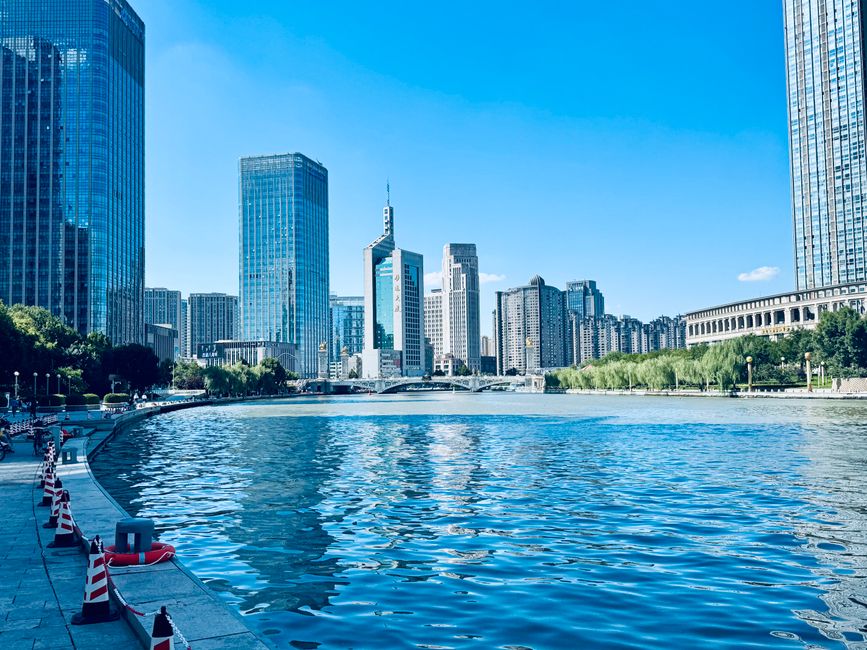
Pick one base city and one nearby contrast, rather than trying to cross half of Asia in five days. Hanoi plus Hoi An gives you a useful mix of dense streets, river walks, food culture, and different weather patterns. Taipei plus a short coastal or riverside excursion works better for travelers who want reliable public transport and a rain backup.
Sample Hanoi and Hoi An walking plan
| Day | Morning | Afternoon | Evening |
|---|---|---|---|
| 1 | Hoan Kiem Lake and Old Quarter before 9:00 | French Quarter and café break | Short food walk away from the busiest beer streets |
| 2 | Residential lanes west of the Old Quarter | Museum or covered market | Lake loop after the main dinner rush begins |
| 3 | Travel to Hoi An and check in | Cam Kim or riverside cycle-and-walk route | Brief old-town visit after the first group departures |
| 4 | Old Town at 6:30 a.m. | Tra Que village and a shaded lunch | Lantern streets for atmosphere, not sightseeing mileage |
| 5 | Choose a repeat favorite district | Rain or heat backup indoors | Finish near your hotel for an easy departure |
The final decision
For the clearest low-crowd result, choose Hanoi or Hoi An, start before 8:00 a.m., and leave the central attraction before coach groups settle in. Keep Taipei as the weather-flexible choice and George Town as the food-focused choice. Treat Kyoto, Chiang Mai, and Luang Prabang as special-case trips with specific crowd or air-quality risks.
That returns you to the opening scene: a quiet street, a warm breakfast stall, and enough space to notice the city waking up. In March, the calmest walk usually belongs to the traveler who starts early and leaves the obvious route before everyone else arrives.