Book the first timed entry of the day. That is the one rule that works across Europe in April. The Louvre, Uffizi Galleries, Rijksmuseum, and Museo del Prado all attract visitors early, but the crowd grows fast once tour groups arrive. A 9:00 a.m. slot can mean a calm first hour. Arriving at 10:30 can mean security lines, school groups, and a slow walk to the famous rooms.
Book the first museum slot, then protect it
Why the first entry wins
The first admission period has a simple advantage: fewer people have reached the galleries. Tour buses usually need time to unload, guides gather clients outside, and casual visitors stop for coffee before heading in. You do not need a secret entrance. You need to be standing near the correct door 15 to 25 minutes before the time printed on your ticket.
Use this three-step booking plan
- Choose a weekday morning, preferably Tuesday through Thursday.
- Buy the timed ticket from the museum’s official booking page, not a reseller with a vague arrival window.
- Build a 30-minute buffer for metro delays, bag checks, and the walk from the station.
The Louvre opens at 9:00 a.m. on Monday, Thursday, Saturday, and Sunday, with later evening hours on Wednesday and Friday; it closes on Tuesday. The Louvre’s official schedule says timed reservations are strongly recommended. Treat that as a planning rule, not a suggestion.
For most travelers, the best April choice is the first weekday slot at the museum that matters most to them. Do not stack two major museums before lunch. You will lose time crossing the city and arrive at the second one tired and late.
Which European museum morning gives you the best odds?
A practical timing comparison
| Museum | First useful morning time | Adult price listed by the museum | Best queue tactic |
|---|---|---|---|
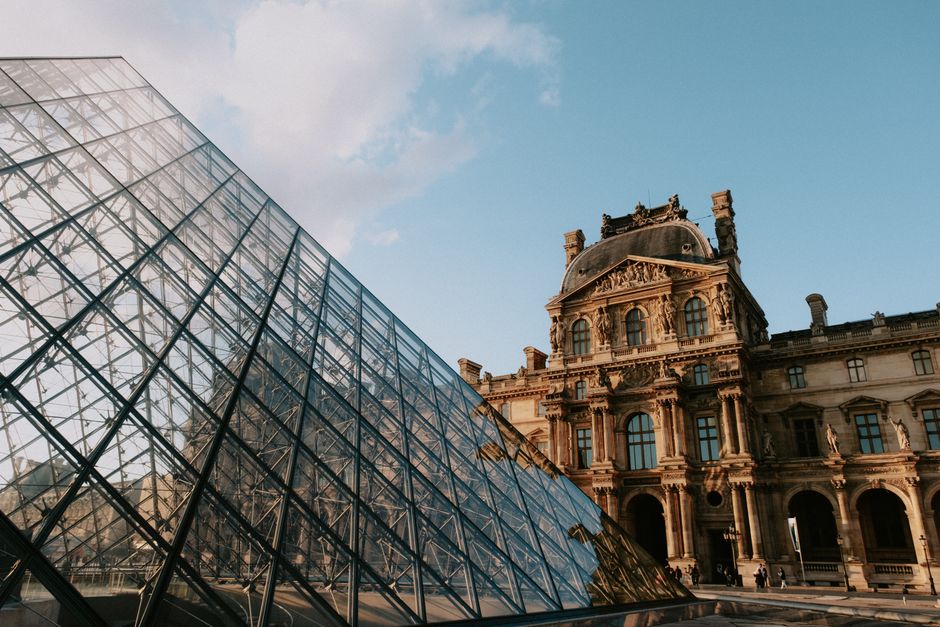
| Louvre, Paris | 9:00 a.m. on open days | Check official ticket calendar | Reserve a dated time and use the Pyramid entrance shown on the ticket |
| Uffizi Galleries, Florence | 8:15 a.m. | €19 early-bird slot; €29 advance regular ticket | Reserve entry by 8:55 a.m.; early-bird quota can sell out |
| Rijksmuseum, Amsterdam | 9:00 a.m. daily | €25 adults | Book a start time; every visitor needs one |
| Museo del Prado, Madrid | 10:00 a.m. | €15 general admission | Pick the earliest time pass and enter before tour groups |
The clear winner for an early start
The Uffizi is the strongest choice for travelers who care about being inside before the city wakes up. Its official early-bird fare is €19 for entry between 8:15 and 8:55 a.m., compared with €29 for a regular advance ticket. The catch matters: the quota can disappear, and standing outside before 8:45 does not guarantee an early-bird ticket.
The easiest daily option
The Rijksmuseum is simpler. It opens every day at 9:00 a.m., charges €25 for adults, and requires every visitor to book a start time. The Prado opens at 10:00 a.m., so it works well with a slower Madrid morning. The Louvre is worth the planning effort, but its Tuesday closure can wreck a careless itinerary. Check the official pages for Uffizi fares, Rijksmuseum hours, and Prado admission rules before paying.
Build a two-hour route instead of chasing every masterpiece
Start with the room that creates the crowd
Most museum queues are not caused by the entire building. They form around a few famous rooms and objects. The Mona Lisa at the Louvre, Botticelli’s Birth of Venus at the Uffizi, and Vermeer’s Milkmaid at the Rijksmuseum pull visitors into the same corridors. Go there first if you care about seeing them clearly. Do not assume the famous work sits near the entrance.
Before your trip, save the museum map and mark three stops: the one object you would regret missing, a second work in a different wing, and a quiet backup room. That is enough for a two-hour visit. A huge museum is not a checklist. It is a building with long corridors, security bottlenecks, lifts, toilets, and dead ends that can eat half your morning.
Use a fixed 120-minute plan
- Minutes 0–15: pass security, collect an audio guide if you need one, and walk directly to the priority room.
- Minutes 15–55: see the headline work before the main crowd arrives.
- Minutes 55–95: visit two nearby rooms rather than crossing the full building.
- Minutes 95–110: choose one unplanned gallery based on crowd levels.
- Minutes 110–120: leave, use the toilet, and reach your next reservation.
This plan beats wandering because it protects the part of the visit that matters. It also gives you an exit time. You can have lunch at 12:30 instead of discovering at 1:00 that you are still inside, hungry, and 40 minutes from the next attraction.
Do not book a second major museum less than three hours after the first. Allow time for the exit, transport, food, and the fact that museum fatigue arrives sooner than most itineraries admit. For a first visit to the Louvre or Prado, one museum before lunch is the correct amount.
What ruins an April museum morning?
Can I buy a ticket at the door?
Sometimes, but that is a poor April strategy at the busiest museums. The Louvre may release a small number of same-day tickets, yet its official guidance says advance reservation is the only option that guarantees entry. The Uffizi also sells at the door, but you may lose the early-bird quota while waiting. A cheap ticket that costs 90 minutes of your morning is not cheap.
Should I visit on the first Sunday?
Not if your goal is a short queue. Free-admission days create their own demand. The Uffizi warns that free days do not offer normal priority access and that advance reservations are generally unavailable. The Prado’s free access runs during the last two hours before closing, which is useful for budget travelers but does nothing for a quiet morning.
Which mistakes should you avoid?
- Choosing a Monday without checking the museum’s weekly closure.
- Booking a ticket for the wrong entrance or temporary exhibition.
- Arriving exactly at the printed time instead of allowing for security.
- Carrying a large backpack that must go into a locker.
- Planning a canal cruise, train, or restaurant reservation immediately after entry.
- Assuming a city card replaces a required start-time reservation.
The biggest failure is treating a timed ticket as a magic pass. It controls when you may enter. It does not move you ahead of security, reserve a famous painting, or protect you from a packed gallery after 11:00 a.m.
Best morning choice by city: the short verdict
Paris, Florence, Amsterdam, and Madrid
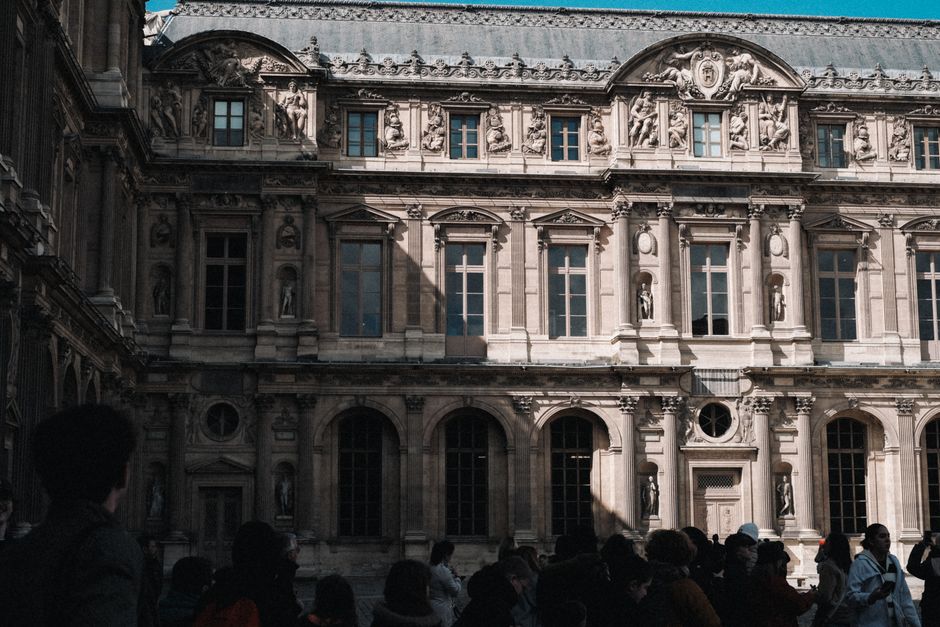
For Paris, choose the Louvre on a weekday at 9:00 a.m. and avoid Tuesday. For Florence, choose the Uffizi early-bird slot if you can secure it; €19 before 8:55 a.m. is the best value in this group. For Amsterdam, the Rijksmuseum is the cleanest booking process because it opens daily at 9:00 a.m. and gives every visitor a start time. For Madrid, the Prado is the best fit for travelers who want a serious collection without a dawn alarm.
Do not buy a city pass just to skip a line unless you have checked its reservation rules. A pass can cover admission while still requiring a separate time slot. Buy it for several planned attractions, not for the promise of priority that may not apply to your date.
Final comparison
| City | Best morning move | Who should choose it |
|---|---|---|
| Paris | 9:00 a.m. Louvre reservation | First-time visitors with one must-see collection |
| Florence | 8:15–8:55 a.m. Uffizi early-bird ticket | Travelers who want the earliest start and lowest listed advance fare |
| Amsterdam | 9:00 a.m. Rijksmuseum start time | Visitors who value a simple, predictable booking system |
| Madrid | 10:00 a.m. Prado time pass | Travelers who prefer a normal breakfast before art |
The winning formula is plain: reserve the first available slot, arrive early, see the high-demand room first, and leave before lunch crowds take over. April rewards that discipline.