
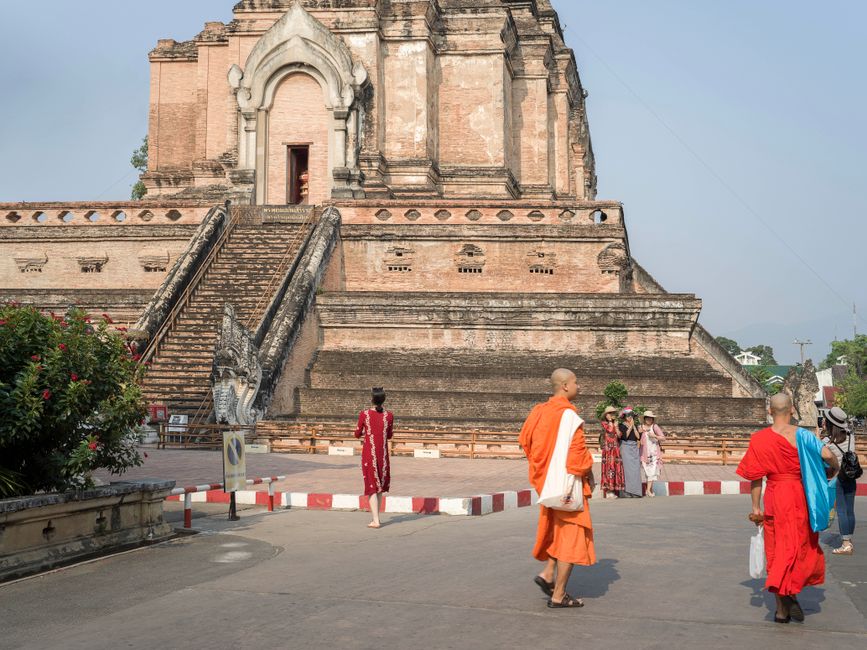
A temple is not just a beautiful landmark with a convenient photo stop. That is the first misconception to drop. In Thailand, Japan, India, Cambodia, Bali, and other parts of Asia, temples remain active places of worship, even when tour buses arrive every morning. The respectful choice is rarely hard: dress with care, lower your voice, watch what local worshippers do, and ask before taking photos.
Why Temple Etiquette Changes Across Asia
There is no single Asia-wide temple rulebook. A Buddhist temple in Kyoto may expect quiet, orderly movement and shoe removal. A Hindu temple in India may have separate entrances for worshippers, restrictions on leather items, or rules about who may enter the inner shrine. A Balinese temple may ask visitors to wear a sash, while a mosque or shrine in another destination may use a different dress standard altogether.
Temples are active places of worship
The building, courtyard, statues, bells, incense, and prayer objects all carry meaning for local people. A ceremony can begin while visitors are walking through the grounds. Step aside rather than crossing in front of a person who is praying. Do not touch a statue, altar, monk, priest, offering, or religious object unless a guide or sign clearly invites visitors to do so.
Local behavior is your best first signal
Pause at the entrance and look around. Are visitors removing shoes? Are people bowing, pressing their palms together, kneeling, or walking clockwise? Copy the quiet parts of the local pattern without pretending to perform a ritual you do not understand. If a sign gives a rule, follow the sign even when another tourist ignores it.
Ask before copying a ritual
Joining a prayer or lighting incense can feel respectful, but an unfamiliar ritual is not a travel prop. Watch from the edge first. If you want to participate, ask a staff member or local guide what to do. Ask first is the safest rule when the action involves worship, offerings, sacred objects, or a restricted area.
What to Wear at Temples in Asia
The clearest dress standard is simple: cover the shoulders and knees, avoid transparent fabric, and wear clothing that allows you to sit or walk modestly. This rule will keep you prepared for many temples, but it does not replace checking the local requirement at each site.
| Temple setting | Safer clothing choice | Common mistake |
|---|---|---|
| Thai or Cambodian Buddhist temple | Covered shoulders, trousers or a long skirt, loose top | Tank top, short shorts, or a low-cut shirt |
| Japanese temple | Neat casual clothing and easy-to-remove shoes | Talking loudly in halls or wearing muddy footwear |
| Indian Hindu temple | Loose clothing covering shoulders and legs | Ignoring rules about leather, photography, or entry zones |
| Balinese temple | Covered shoulders and knees, plus a temple sash where required | Entering during menstruation restrictions or without the required sash |
| Temple with a shoe-free interior | Clean socks and footwear with simple fasteners | Walking barefoot with dirty or wet feet |
Pack one reliable temple outfit
A thin overshirt and loose trousers solve more problems than a suitcase full of special clothes. A Uniqlo AIRism Cotton T-Shirt under a lightweight button-up works well in hot weather. A MUJI Linen Blend Shirt adds coverage without feeling heavy. These are examples, not required purchases; a clean shirt from home works just as well.
Choose footwear for rules, not fashion
Many sites require shoes to come off, so complicated laces and tall boots slow everyone down. Teva Original Universal sandals are one practical example because the adjustable straps are quick to release and the sandals pack flat. Whatever you wear, keep socks clean and avoid entering sacred spaces with wet, muddy, or visibly dirty feet. Cover shoulders and knees is the best default when the local rule is unclear.
How to Enter and Move Through a Temple
The first few minutes matter. Visitors often make mistakes before they reach the main hall because they rush through the entrance, miss a sign, or treat the threshold like a background for a photograph. Use this sequence instead:
- Read the entrance signs. Check for clothing rules, photography restrictions, opening hours, separate visitor routes, and areas closed to non-worshippers.
- Pause at the gate. Lower your voice, silence notifications, and observe what other visitors are doing. Do not block the entrance while you decide what to wear or where to go.
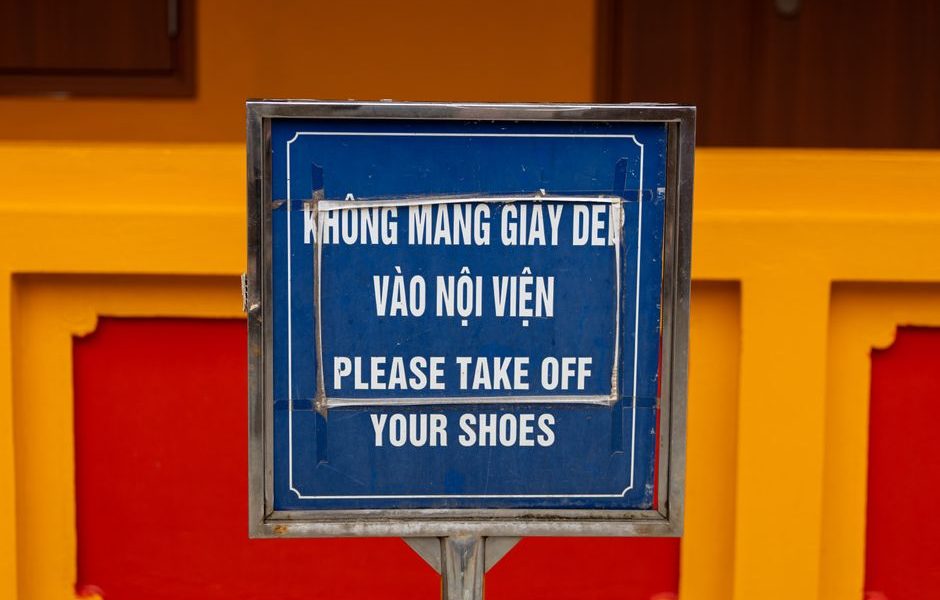
- Remove shoes when required. Place them in the assigned rack or storage area. Do not leave them in the middle of a walkway.
- Follow the marked route. Some temples separate tourist movement from prayer spaces. Stay behind barriers and do not step onto raised platforms unless visitors are clearly allowed there.
- Keep your body controlled. Walk slowly, avoid pointing at statues, and sit only where visitors may sit. If you need to rest, choose a side area away from worshippers.
- Leave offerings alone. Flowers, fruit, water, candles, and coins may look decorative, but they often belong to a religious practice or a specific person.
When a ceremony is happening
Stop at the edge and wait for a natural opening. Never walk between worshippers and a shrine, step into a prayer line, or stand directly in front of someone who is bowing. If staff ask visitors to move, comply at once. The ceremony has priority, even when you paid an entrance fee.
When you are unsure
Use a quiet question directed to staff rather than guessing. A simple phrase such as “May I enter?” or “May I take a photo here?” is enough. A guide can also explain gestures that may look casual to a visitor but carry religious meaning locally.
Silence and Distance Matter More Than Perfect Rituals

My clear verdict: quiet observation is more respectful than forced participation. You do not need to know every prayer, bow, or hand gesture to behave well; you do need to stop talking over worshippers, keep a respectful distance from sacred objects, and give ceremonies the space they need.
A phone on silent is not enough if you keep checking it, filming every movement, or using a flash. Put it away during prayers, chanting, meditation, and processions. Move slowly around people who are kneeling or sitting, and never lean across an altar for a better angle.
Use your body carefully
Pointing with one finger, showing the soles of your feet toward a shrine, touching someone’s head, or placing your feet on a religious platform can cause offense in some cultures. Sit cross-legged or kneel in the way local signs show, and keep your feet directed away from sacred images when possible.
Choose distance over a closer photograph
The best visitor is not the person who captures the most detail. It is the person who leaves worshippers undisturbed. Silence is safer than assumption when a service is underway or the meaning of an object is unclear.
What to Do When Temple Rules Conflict
Travel plans often combine several religious sites in one day, and their rules may not match. A sleeveless outfit accepted at a museum may fail at a temple. Shoes that are fine on a city walk may be inconvenient when three sites require removal. The best solution is a flexible day plan rather than a long list of special purchases.
Build a respectful temple day
- Start with the site that has the strictest dress code.
- Carry a clean overshirt or scarf for unexpected coverage rules.
- Keep a small bag for shoes when racks are crowded or unmarked.
- Check the official site or ask staff about ceremony times before arriving.
- Leave extra time so you do not rush through a prayer hall.
- Plan a meal or café stop outside the temple grounds if food is restricted inside.
Know when not to enter
Do not enter if you cannot meet the stated dress code, if the space is closed to visitors, or if your group would interrupt a ceremony. Waiting outside is not a travel failure. It is often the most respectful choice. You can visit the courtyard, read the history display, or return at a quieter time if staff permit it.
That brings the trip back to the opening misconception. A temple is not a backdrop that happens to contain beautiful architecture. It is a living place with people, rules, and meaning. Dress with care, ask before you act, and give worshippers room. The result is a better visit: you see more, disturb less, and leave with memories that do not depend on someone else’s discomfort.