Best Time to Visit Zambia for Safaris and Victoria Falls 2024-2025
travel

Best Time to Visit Zambia for Safaris and Victoria Falls 2024-2025

Zambia does not reveal itself all at once. If you arrive in the middle of February, you will find a landscape so lush and dense that spotting a leopard is akin to finding a needle in a haystack of neon-green grass. Arrive in October, and that same landscape is a scorched, skeletal version of itself, where the heat is a physical weight and the animals are desperate, crowded around dwindling muddy pools. Choosing when to go is not just about the weather; it is about deciding which version of the African wilderness you want to inhabit. I have spent years looking at the data of rainfall patterns and animal movements across the Luangwa and Zambezi valleys, and the reality is that the ‘best’ time is a moving target that depends entirely on your tolerance for heat, your interest in specific species, and how much you enjoy being drenched by the spray of the world’s largest waterfall.

Best months for wildlife viewing in South Luangwa and Lower Zambezi

The dry season, spanning from June to October, is the undisputed heavyweight champion for traditional wildlife viewing. As the moisture evaporates from the bush, the thick vegetation thins out. This is a mechanical advantage for the traveler. When the tall grass dies back, the line of sight for a guide increases from twenty feet to a hundred yards. More importantly, the smaller seasonal waterholes vanish. This forces the elephants, buffalo, and the valley’s famous leopard population to congregate around the permanent water sources: the Luangwa River and the Zambezi River.

The Peak Season: August to October

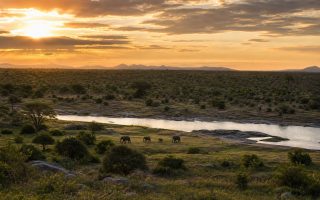
During these months, the action is concentrated. In the South Luangwa, you can sit by the riverbank and watch hundreds of elephants cross the water daily. Predator-prey interactions are at their highest frequency because the herbivores are locked into predictable patterns. However, there is a trade-off. October is known locally as ‘Suicide Month’ because of the oppressive heat. Temperatures regularly climb above 40°C (104°F). If you can handle the sweat, the wildlife viewing is unparalleled. In the Lower Zambezi, this is also the prime time for tiger fishing, as the warmer water makes the fish more active.

The Shoulder Season: May to July

This is my personal preference for a balanced trip. The air is crisp and clear, providing excellent light for photography without the haze of October’s dust. Mornings are genuinely cold—you will need a heavy jacket for those 6:00 AM game drives—but the days are mild and pleasant. The bush is still somewhat green, which makes for prettier photos than the brown-grey palette of late October. Prices are often slightly lower than the August peak, and the parks feel less crowded.

Lodge Example Approx. Price (Peak) Pros Cons
Time + Tide Chinzombo (South Luangwa) $1,300 – $1,600 per night Incredible luxury; private plunge pools; high leopard density. Extremely expensive; boat access only during high water.
Royal Zambezi Lodge (Lower Zambezi) $800 – $1,100 per night Perfect river views; exceptional fishing and canoeing. Can feel a bit large compared to intimate bush camps.
Flatdogs Camp (South Luangwa) $350 – $500 per night Best value; high-quality guiding; family-friendly. Located near the main gate; can see more vehicle traffic.

When to see Victoria Falls for the best views and activities

A beautiful aerial view of a bridge over a river surrounded by vibrant autumn fields in Ganderbal.

Timing your visit to Livingstone to see Victoria Falls (Mosi-oa-Tunya) is a counter-intuitive exercise. You might think that more water equals a better experience, but that is rarely the case for the average tourist. The Zambezi River’s flow fluctuates dramatically throughout the year, fed by rains in the Angolan highlands that take months to reach the falls.

High Water: March to May

By March, the falls are at their most powerful. The volume of water is staggering, creating a spray that rises hundreds of meters into the air and can be seen from miles away. This is the ‘Smoke that Thunders’ in its literal sense. The downside? You will get soaked to the bone within seconds of stepping onto the viewing paths. The spray is often so thick that it completely obscures the view of the actual falls. Photography is nearly impossible without specialized waterproof gear, as the ‘rain’ created by the falls falls upward, sideways, and downward simultaneously. Aerial views via helicopter are the best way to appreciate the scale during this window.

Low Water: September to December

As the dry season progresses, the water level drops. By October and November, the Zambian side of the falls can actually dry up entirely, leaving nothing but a bare rock face. If you visit during this time, you must cross over to the Zimbabwean side to see a continuous flow of water. However, low water is the only time you can access the famous Devil’s Pool. This natural infinity pool sits right on the edge of the precipice. It typically opens in late August and closes by early January, depending on the river’s height. If sitting on the lip of a 100-meter drop is on your bucket list, you must time your visit for the late dry season.

The Sweet Spot: June to August

For the best visual experience, aim for the mid-year. The water level has subsided enough that the spray doesn’t hide the rock formations, but there is still enough volume to create a massive, thundering curtain of white. The weather is also much more comfortable for walking the trails around the falls. You get the rainbow effects in the mist without the total white-out of the peak flood.

The lunar rainbow, or ‘moonbow,’ is a rare phenomenon that occurs during the full moon when the falls are at high water. The park stays open late for three nights each month specifically for this, and it is one of the few places on Earth where it is consistently visible.

Weather patterns and seasonal shifts across Zambia’s regions

Zambia’s climate is governed by three distinct seasons, and understanding the nuances between them is vital for logistics. This is a country where the infrastructure is still catching up to the landscape; many roads in the national parks are made of black cotton soil, which turns into an impassable, glue-like substance the moment it rains. This is why many bush camps simply cease operations for part of the year.

The Emerald Season (November to April)

This is the rainy season, but calling it that misses the point. It is a time of incredible abundance. The dust of October is washed away, and the landscape explodes into a vibrant, deep green. This is the best time for birdwatching, as migratory species from Europe and North Africa arrive in droves. It is also the calving season for many herbivores. If you want to see baby impala and dramatic thunderstorms, this is your window. However, be aware that many of the remote camps in the Kafue and North Luangwa close completely because the roads are flooded. You will likely be restricted to the ‘main’ camps that have all-weather access or those that operate by boat.

  • November: The transition. Hot, humid, and the first dramatic storms. The ‘Bat Migration’ in Kasanka National Park peaks now—ten million fruit bats descend on a tiny patch of forest. It is the largest mammal migration on Earth.
  • January – March: Peak rain. Mosquito activity is at its highest, so malaria precautions are non-negotiable. Travel is slower, but the prices are at their lowest.
  • April: The rains taper off. The air is incredibly clean, and the night sky is spectacular.

The Cool Dry Season (May to August)

The rains stop abruptly in late April. By May, the standing water begins to disappear, and the humidity drops. This is widely considered the most comfortable time to travel. Daytime temperatures hover around 25°C (77°F), making it perfect for the walking safaris for which Zambia is famous. You can walk for hours without overheating. Just remember that the nights are cold. In the sandy terrain of the Kafue, temperatures can drop to near freezing. If you are camping or staying in a tented lodge, bring thermals.

The Hot Dry Season (September to October)

The transition from August to September is a sharp one. The wind picks up, and the temperature rises. By October, the landscape is at its most desperate. This is the best time for serious wildlife enthusiasts who want to see big cat kills and massive herds of buffalo. The lack of water creates a high-stakes environment where the drama of the wild is on full display. It is harsh, dusty, and hot, but it is also the most rewarding for those who prioritize animal sightings over personal comfort.

Planning your budget and itinerary around peak and low seasons

Adorable little ethnic girls having fun while lying in soft bed with fluffy dog and crop parents

Zambia is not a budget destination. The government has consciously pursued a ‘low impact, high value’ tourism model. This means fewer people and more pristine wilderness, but it also means higher daily costs. Your timing will significantly influence your total spend. A trip in April can cost 40% less than the same itinerary in September.

Understanding the Pricing Tiers

Most lodges operate on a three-tier pricing structure: Low (Emerald), Shoulder, and Peak. In the Low season, many high-end lodges offer ‘no single supplement’ deals, which is a massive win for solo travelers. In the Peak season, lodges are often booked out a year in advance, and you will pay the full rack rate. If you are looking for a deal, look at the first two weeks of June or the first two weeks of November. These are ‘bridge’ periods where the weather is often better than the price suggests.

Logistics and Accessibility

You also need to factor in how you will get around. Proflight Zambia is the primary domestic carrier, and their flight schedules change based on the season. In the dry season, there are frequent flights between Lusaka, Mfuwe (South Luangwa), Livingstone, and the Lower Zambezi. In the Emerald season, some of these routes are scaled back. If you are planning a multi-park itinerary, the dry season is much easier to coordinate.

For those interested in specific events, you have to build your entire trip around them regardless of the general ‘best time’ advice. The Liuwa Plain wildebeest migration, for example, is best seen in November when the rains start and the herds move south. The Kasanka bat migration is strictly a late October to December event. If you want to see the Kuomboka ceremony of the Lozi people, you have to track the lunar calendar and the flooding of the Barotse Floodplain, usually occurring in April.

Ultimately, the best time to visit Zambia is a choice between clarity and drama. If you want the clearest views of the falls and comfortable temperatures, go in July. If you want the raw, unfiltered intensity of the African bush at its most competitive, brave the heat of October. Zambia doesn’t compromise for its visitors; it expects you to adapt to its rhythm. Whether you find yourself shivering on a morning drive in June or wiping sweat from your brow in October, the sheer density of life in the valleys makes the timing almost irrelevant once you see your first pride of lions on the move.

You may also like...