You open a map of Canada and immediately start second-guessing yourself. Banff is obvious. Toronto keeps coming up. Someone on Reddit mentioned the Maritimes. And then you realize that Vancouver to Halifax is farther than London to New York — and suddenly the whole trip needs rethinking.
That’s the trap. Most Canada trip planners pick a season, then try to cram everything into it. It doesn’t work. Canada is the second-largest country on Earth. Planning it like a European city-hop leaves you exhausted and underwhelmed.
The right approach: anchor to one region, go deep, and build everything else around that decision.
Pick Your Region First — Everything Else Follows
Canada divides naturally into five travel zones. Each one is essentially its own country in terms of landscape, culture, and the kind of trip it produces. Mixing them carelessly is one of the fastest ways to waste two weeks.
British Columbia and the Canadian Rockies
This is what most international visitors picture when they think Canada — and it delivers. Banff National Park, Jasper, the Icefields Parkway, Lake Louise. These places are as dramatic as every photo suggests, and unlike some famous destinations, they hold up in person.
The classic loop works: fly into Vancouver, rent a car, drive east through the mountains over five to seven days, and fly home from Calgary. That self-contained route is genuinely world-class. You don’t need to combine it with anything else to have an exceptional trip.
BC also suits two very different traveler types. Summer brings hikers, kayakers, and wildlife watchers. Winter brings skiers to Whistler Blackcomb — one of the largest ski resorts in North America, a 90-minute drive from Vancouver — and photographers chasing snow-covered peaks in Banff with none of July’s crowds.
Ontario and Quebec
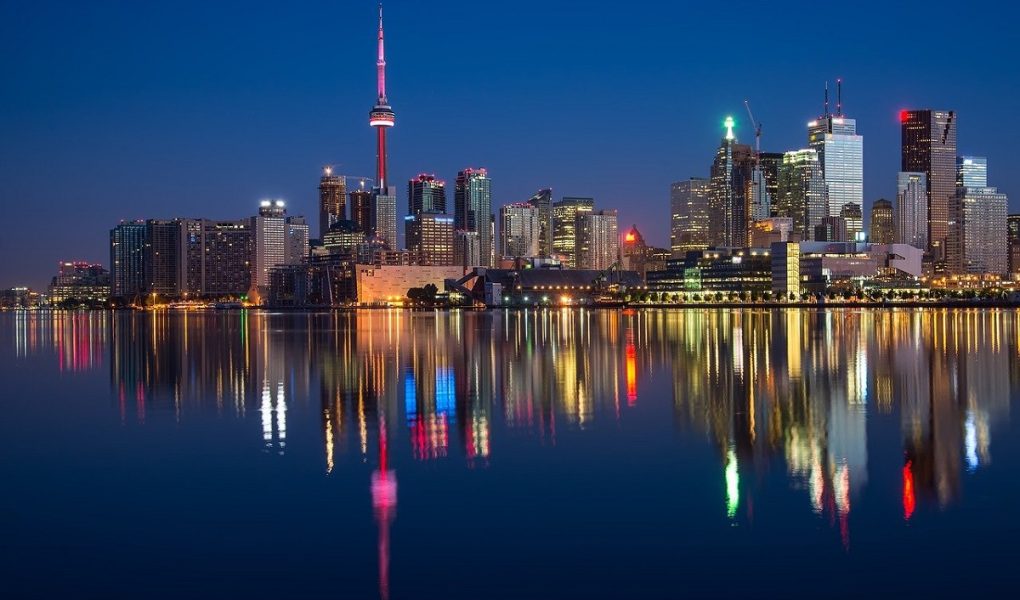
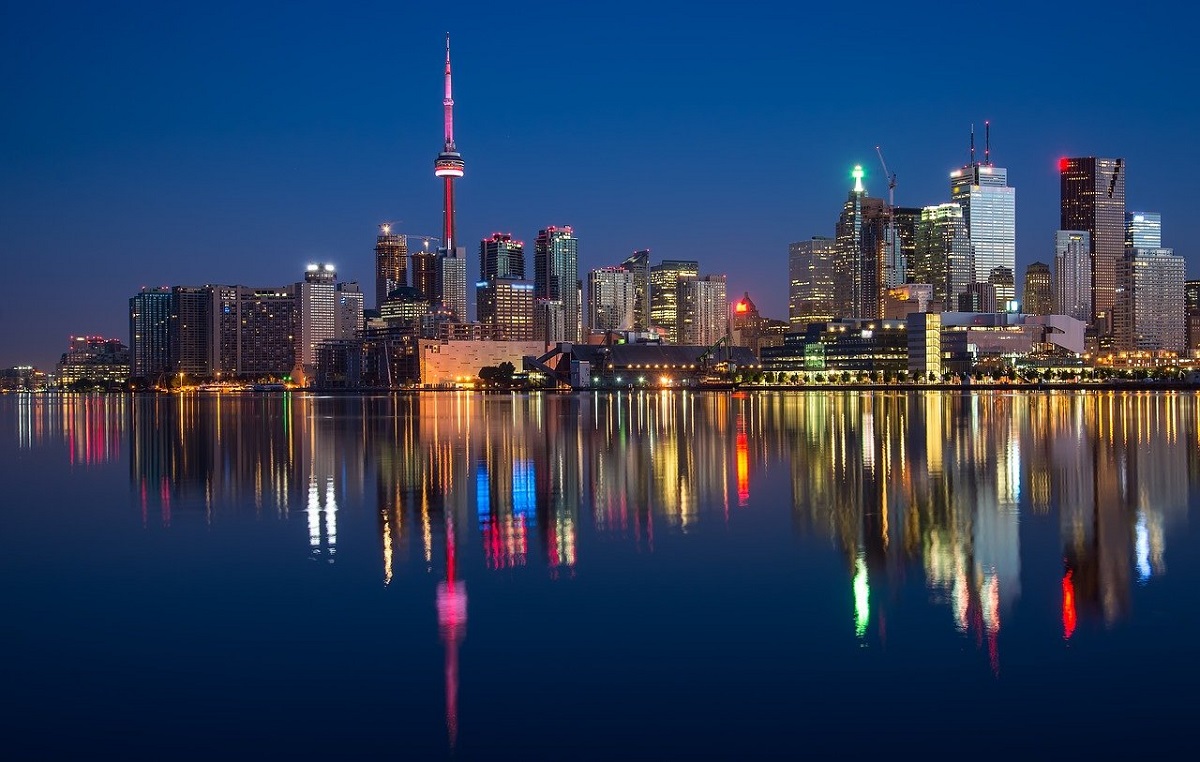
Toronto and Montreal offer a real contrast: English Canada versus French Canada, financial capital versus cultural capital. Quebec City is a 3-hour train ride from Montreal and feels unlike anything else in North America — narrow cobblestone streets, 17th-century fortifications, entirely French-speaking.
Niagara Falls is a 90-minute drive from Toronto and worth a half-day, tourist trappings and all. The falls themselves are genuinely staggering at close range.
This region suits city-focused travelers. The Via Rail corridor connecting Toronto, Ottawa, Montreal, and Quebec City is frequent and cheap. No rental car needed.
The Maritimes
Nova Scotia, New Brunswick, and Prince Edward Island are the Canada most visitors haven’t considered. Quieter, cheaper, and deeply underrated. The Cabot Trail in Cape Breton is one of the most beautiful coastal drives in North America. Halifax has a real food scene and some of the best craft breweries east of Montreal. PEI has lobster rolls that will reframe your understanding of the dish.
Don’t try to combine the Maritimes with Banff in one trip. The distance is punishing, and you’d be doing both regions at half-pace. Pick one.
The Prairies and Northern Canada
Honest assessment: Saskatchewan and Manitoba don’t make most holiday itineraries for a reason. Flat, long drives, niche appeal. The exception is Churchill in northern Manitoba — one of the only places on Earth to see polar bears in the wild, best from late October through November.
Yukon and the Northwest Territories are expedition territory. The Northern Lights above Whitehorse between September and March are the real thing. But budget $5,000 CAD or more per person for a dedicated Northern Lights trip once you factor in flights, guiding, and accommodation in remote areas.
The core decision: BC and the Rockies for scenery and outdoor adventure. Ontario and Quebec for cities and culture. The Maritimes for slow travel and genuine discovery. Pick one pair, not all three.
When to Visit Each Part of Canada
Summer is not automatically the right answer. Timing in Canada is more regional than most guides admit.
| Region | Best Window | Why It Works | What to Avoid |
|---|---|---|---|
| BC and the Rockies | Late June – early September | Alpine trails open, lakes thawed, wildflowers at peak | July and August weekends in Banff — dangerously crowded, campsites gone |
| BC and the Rockies (winter) | December – March | Whistler skiing, quieter Banff, snow photography | Mountain passes may close — check road conditions daily via DriveBC |
| Ontario and Quebec | Late September – October | Fall foliage, lower humidity, hotel prices drop after Labor Day | February – March: brutal cold, minimal tourism activity |
| The Maritimes | July – September | Lobster season, warm enough for the Cabot Trail and coastal hiking | October – May: many attractions close completely |
| Yukon and Northern Canada | September – March | Northern Lights season; Churchill polar bears peak October – November | Summer if Northern Lights are the goal — 20+ hours of daylight kills the show |
The one genuinely flexible sweet spot: late September. Fall colors blanket the country from Quebec to BC. Temperatures stay comfortable — 10 to 18 degrees Celsius across most regions. Crowds thin significantly after Labor Day. Accommodation prices drop 20 to 40 percent. If you can only pick one window for a first-ever Canada trip, September 20 to October 10 is it.
What a 2-Week Canada Holiday Actually Costs
Canada runs expensive. Visitors from Europe, Australia, and the UK consistently underestimate how fast accommodation and food add up. Here’s a realistic breakdown for two people over 14 days in 2026, in Canadian dollars.
| Category | Budget | Mid-Range | Comfort |
|---|---|---|---|
| Accommodation (per night, two people) | $80 – $120 CAD (hostel, motel) | $180 – $280 CAD (3-star hotel) | $400 – $800 CAD (Fairmont, boutique lodge) |
| Food (per day, two people) | $60 – $80 CAD (groceries and fast casual) | $120 – $160 CAD (mix of sit-down meals) | $200 – $300 CAD (restaurants nightly) |
| Car rental (14 days, economy) | $800 – $1,000 CAD | $1,000 – $1,400 CAD including fuel | $1,800+ CAD (larger vehicle) |
| Rocky Mountaineer train (optional splurge) | Not applicable | Not applicable | $1,500 – $2,200 CAD per person |
| Parks Canada Discovery Pass | $75 CAD per adult — covers all 80+ national parks for one year. Non-negotiable if you’re visiting two or more parks. | ||
| Activities | $300 CAD (hiking, self-guided) | $600 – $800 CAD (guided tours, kayaking) | $1,500+ CAD (helicopter tours, luxury experiences) |
| Total (two people, 14 days) | ~$4,500 CAD | ~$7,500 CAD | ~$15,000+ CAD |
Mid-range is where most visitors land. Budget $7,500 to $8,500 CAD for two people across two weeks and you’ll eat well, sleep comfortably, and do everything on your list without stress.
The Rocky Mountaineer deserves a special mention. The two-day train journey from Vancouver to Banff — operated by Rocky Mountaineer, a private luxury rail company — runs about $1,500 CAD per person for the lowest tier. It’s not a budget option, but the experience of watching the Rockies rise through floor-to-ceiling glass is something a car on the Trans-Canada Highway genuinely cannot replicate.
Where to Stay: The Fairmonts Are Worth It Once
Book one night at the Fairmont Banff Springs (from $500 CAD/night) or the Fairmont Chateau Lake Louise (from $600 CAD/night). These are architectural landmarks sitting inside national parks. They’re touristy, yes, but they’re also genuinely extraordinary buildings in genuinely extraordinary locations. If you’re celebrating something, one night at either is the right call. For the rest of your stay, look elsewhere.
Small lodges and wilderness properties
Operators like Pursuit Collection and Brewster Travel Canada run lodges and smaller properties along the Icefields Parkway that compete with the Fairmonts on experience at a fraction of the price. Num-Ti-Jah Lodge, sitting directly on Bow Lake with unobstructed Rocky Mountain views, charges around $280 to $350 CAD per night. No television. No spa. Just the mountains out every window. For the right traveler, that’s not a downgrade.
Airbnb and short-term rentals
Works well in Toronto, Montreal, and Vancouver. In Plateau-Mont-Royal in Montreal or the East Side of Vancouver, an Airbnb apartment puts you in an actual neighborhood rather than a tourist corridor, and runs $150 to $220 CAD per night. Avoid Airbnb inside Banff National Park — Parks Canada restricts short-term rentals sharply, availability is thin, and pricing is distorted by scarcity.
HI Canada hostels
HI Canada (Hostelling International Canada) runs clean, well-located properties across the country. The HI Banff Alpine Centre books out weeks in advance for summer at $55 to $70 CAD per dorm bed. For solo travelers under 30 who want a social scene, this is the move. For couples, a mid-range hotel room costs roughly the same per person once you factor in a private double.
Five Mistakes That Ruin Canada Trips
- Trying to see too many provinces in one trip. Toronto to Banff is 3,500 kilometers through flat prairie with very little in between. Drive it if you want — but understand it takes 35+ hours of driving time, not counting stops. Fly domestically between distant regions instead. Air Canada and WestJet both run frequent domestic routes, and a Toronto-to-Calgary flight books for $150 to $300 CAD well in advance.
- Booking Banff accommodation too late. Banff townsite has 9,000 permanent residents and sees over 4 million visitors per year. Mid-June through August, hotels book out 4 to 6 months in advance. If your trip is in July or August, start looking in January. This is not an exaggeration.
- Underestimating driving times on scenic routes. Google Maps says Jasper to Banff on the Icefields Parkway takes 4 hours. It takes 6 to 8 hours when you stop at Peyto Lake, the Columbia Icefield, Athabasca Falls, and every other viewpoint along the way — which you will, because they’re extraordinary. Build a full day for that drive, not an afternoon.
- Skipping the Parks Canada Discovery Pass. At $75 CAD per adult, this covers entry to all national parks and historic sites for one year from the date of purchase. If you visit Banff, Jasper, and one more park, you’ve paid for it on day one. Buy it at parks.canada.ca before you land.
- Not reserving campsites months ahead. Parks Canada opens campsite reservations for Banff and Jasper on April 1 at 8 AM Mountain Time. The most desirable sites sell out within 10 minutes. Not hours — minutes. Set a calendar reminder if camping is part of your plan.
Visas, eTA, and Getting Around Canada
Do you need a visa for Canada?
Citizens of the UK, Australia, New Zealand, most of Europe, Japan, and South Korea do not need a visa — but must get an Electronic Travel Authorization (eTA) before flying. It costs $7 CAD, takes minutes to process (though allow 72 hours), and is valid for five years. Apply only at Canada.ca. Third-party sites charge $50 to $100 for the identical form.
US citizens flying to Canada need only a valid passport. No eTA required.
What is the best way to get around?
In the Rockies and the Maritimes, rent a car. There is no meaningful public transit connecting these regions, and the scenic drives are the entire point of being there.
In Ontario and Quebec, use Via Rail. The corridor connecting Toronto, Ottawa, Montreal, and Quebec City runs frequently, costs $50 to $120 CAD per segment, and drops you downtown at both ends. No airport transfers, no highway driving. Within the cities, Toronto’s TTC, Montreal’s STM metro, and Vancouver’s TransLink are all reliable and cheap.
Do you need an International Driving Permit?
Technically no — most nationalities with a valid home-country license can drive in Canada legally. But rental desks at Canadian airports run by Avis, Enterprise, and Budget will sometimes flag licenses not printed in English or French, particularly Japanese, Korean, Chinese, and Arabic scripts. If your license is in a non-Latin script, get an International Driving Permit from your home country’s automobile association before you leave. It costs around $25 and eliminates the risk of being turned away at the rental counter after a 10-hour flight.
For a first-ever Canada trip with no other constraints: fly into Vancouver, rent a car, drive the Icefields Parkway to Banff and Jasper over five to seven days, and fly home from Calgary. Book your Banff accommodation six months out. Buy the Parks Canada Discovery Pass before you land. That one itinerary, done properly, produces a better holiday than most people manage in a lifetime of travel.