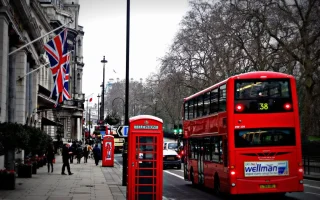
You’ve done the London Eye. You’ve queued for the British Museum. Now you’re in a pub near Covent Garden, and it costs £9 for a pint of something mediocre. The city is brilliant, but it’s not the whole picture. The Home Counties — the ring of counties around London — hold the version of Britain postcards sell you: rolling chalk hills, timber-framed villages, ruins you can touch, and pubs where the landlord knows your order by the second round. This article gives you three specific day trips that get you out of the tube map and into that version of the country. No coach tours. No souvenir shops. Just a train ticket and a good pair of shoes.
The Problem: London Feels Like a Theme Park After Day Three
You wake up on your fourth morning in London. The hotel breakfast is the same sausage and cold scrambled egg. The pavement is sticky. Another museum? Another market? You scroll Instagram and see a photo of a thatched cottage in the Cotswolds with the caption “Quintessential Britain.” The problem is the Cotswolds are two hours by car, and you don’t have a car. Even if you did, parking costs £12 and the traffic on the M4 is a gamble. You need a day trip that works on public transport, costs under £30 return, and delivers that feeling of escape — not another crowded high street with the same chain shops.
Why the Home Counties Work Better Than the Cotswolds
The Home Counties are Kent, Surrey, Sussex, Berkshire, Buckinghamshire, Hertfordshire, and Essex. They sit right on London’s doorstep. Trains from London terminals (Victoria, London Bridge, St Pancras, Paddington) reach the heart of these counties in 30 to 90 minutes. A day return to a market town like Rye or a castle like Hever costs between £12 and £25 if you book an off-peak ticket on Trainline or the operator’s app. Compare that to a Cotswolds trip: the train to Moreton-in-Marsh is about £40 return, and you still need a bus or taxi to reach the villages. The Home Counties give you the same stone cottages, the same countryside pubs, and the same history — for half the price and half the travel time.
The Mistake Most Tourists Make
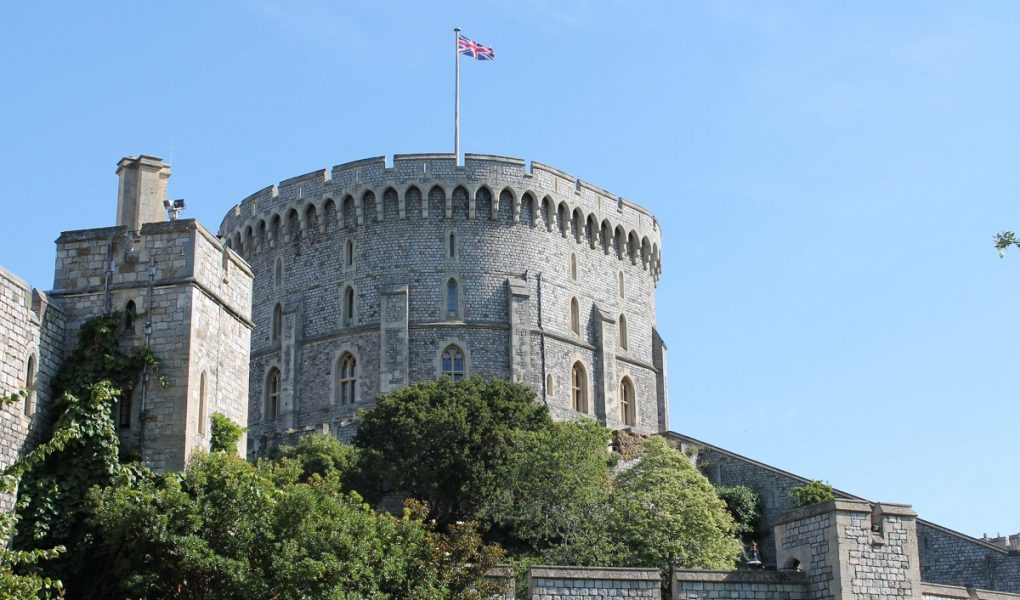
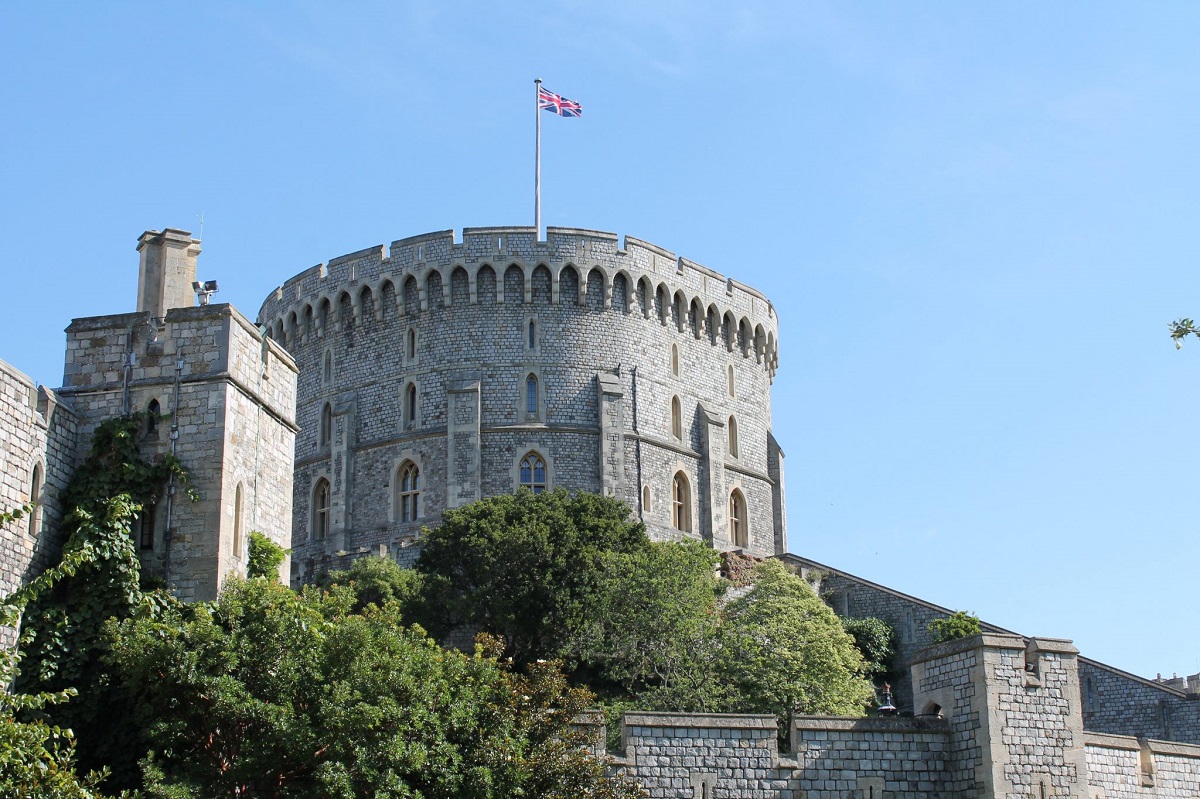
They pick Windsor. Windsor Castle is impressive, sure. But the town is a tourist trap. The queue for the castle can hit 90 minutes in summer. The pubs serve £15 burgers. The high street is all souvenir shops selling Union Jack tea towels. Windsor is not quintessential Britain — it’s a theme park version of it. The real Home Counties experience is a village with one pub, a 12th-century church, and a footpath that leads to a river you can sit beside without hearing traffic. You have to pick the right destination.
How to Actually Get Out of London: Train, Ticket, and Timing
This section is the practical part. No fluff. Here is exactly how to buy a ticket and get to the countryside without wasting your morning.
Which Station and Which Train Company
London has eight major railway terminals. For the Home Counties, you will use these three:
- London Victoria — trains to Kent and Sussex (Southern Railway, Southeastern). Destination: Rye, Hever, Tunbridge Wells.
- London St Pancras — high-speed Southeastern trains to Kent in 35 minutes. Destination: Canterbury, Ashford.
- London Paddington — Great Western Railway to Berkshire and Oxfordshire. Destination: Henley-on-Thames, Windsor (if you must).
Ticket Strategy: Buy Off-Peak Day Return, Use a Railcard
An off-peak day return means you can travel after 09:30 on weekdays (all day on weekends). A standard return from London Victoria to Rye costs £24.50. If you buy a Two Together Railcard (£30 for one year), that drops to £16.20 per person. The Railcard pays for itself after two trips. Book on the Trainline app or the operator’s website. Do not buy at the station on the day — you pay the full walk-up fare, which can be 40% more. The ticket is valid on any off-peak train, so you don’t need to commit to a specific time.
What to Pack for a Day Trip
British weather changes every 20 minutes. Pack a waterproof jacket (not an umbrella — the wind will break it), a reusable water bottle, sunscreen even if it’s cloudy, and a paper map or screenshot of the route because phone signal drops in the countryside. Wear shoes you can walk 10km in. The best parts of these trips are the footpaths between villages, and they are muddy even in July.
Trip 1: Hever Castle and the Eden Valley Walk (Kent)
Hever Castle is the childhood home of Anne Boleyn. It’s a moated castle with a double drawbridge, yew hedge maze, and gardens that take three hours to walk. The village of Hever itself is a handful of houses, a church, and a pub. This is the most “quintessential” option on the list.
Getting There and Costs
Train from London Victoria to Hever station. Journey time: 45 minutes. Off-peak day return: £18.50. The station is a 15-minute walk from the castle through fields. Castle entry: £19.50 for adults if booked online (cheaper than the £22.50 gate price). Total cost per person: £38. The pub in the village, The Henry VIII, does a lunch plate of ham, egg, and chips for £12.50. Not cheap, but decent.
What to Do
Spend two hours in the castle interior (the rooms are furnished, the history panels are good). Then walk the Eden Valley Walk — a 5km circular route from the castle through the Kent countryside, past a lake, a waterfall garden, and a working watermill. The walk takes 90 minutes at a slow pace. Finish at the pub for a pint of Harvey’s Sussex Best Bitter (£5.20). The train back to London runs hourly until 22:00.
Verdict
Best for: history lovers, couples, anyone who wants a castle without the Windsor crowds. Not good for: people with mobility issues (the castle has steep stairs, the walk is uneven ground).
Trip 2: Rye and the Romney Marsh (East Sussex)
Rye is a medieval hilltop town with cobbled streets, a 12th-century church, and a view across the Romney Marsh to the English Channel. It is not a village — it’s a small town with good cafes and antique shops. But the surrounding marshland is empty, wild, and completely different from London.
Getting There and Costs
Train from London St Pancras to Rye. Journey time: 1 hour 10 minutes on the high-speed service (change at Ashford). Off-peak day return: £24.50. From the station, it’s a 10-minute uphill walk to the town centre. No entry fee for the town — the church is free, the Ypres Tower museum costs £6. The Mermaid Inn (built 1420) does a cream tea for £9.50. Total cost per person: around £30 for transport and a meal.
What to Do
Walk the town’s four main streets (Mermaid Street, Watchbell Street, Hilders Cliff, the Strand). Then take the footpath from the church down to the River Rother and walk east along the marsh path for 3km to the village of Camber. The path is flat, straight, and quiet. You will see sheep, marsh harriers, and the nuclear power station at Dungeness in the distance. The pub at Camber, The Owl, does a good fish and chips (£14). Walk back to Rye or take the bus (route 711, £2.50).
Verdict
Best for: walkers, photographers, solo travellers who want peace. Not good for: people who need constant entertainment — Rye is quiet. The marsh walk is exposed to wind; skip it on a stormy day.
Trip 3: Henley-on-Thames and the Thames Path (Oxfordshire)
Henley is the most upmarket option. It’s a market town on the River Thames, famous for the Royal Regatta. But outside regatta week (July), it’s a relaxed riverside town with good pubs and a long, flat footpath along the river.
Getting There and Costs
Train from London Paddington to Henley-on-Thames. Journey time: 60 minutes (change at Twyford). Off-peak day return: £22.00. The station is a 5-minute walk from the river. No entry fee for the town. The River and Rowing Museum costs £12.50. A sandwich from the Co-op and a bench by the river costs £5. The pub The Angel on the Bridge does a riverside pint of London Pride for £6. Total cost per person: £28 without museum entry.
What to Do
Walk the Thames Path south from Henley bridge to the village of Hambleden (4km, 50 minutes). The path is paved and flat. Hambleden has a 13th-century church, a duck pond, and a pub called The Stag and Huntsman. From Hambleden, you can walk back along the same path or take the bus (route 800, £3) back to Henley. The whole walk takes 2 hours with stops. Bring binoculars — you will see swans, herons, and kingfishers.
Verdict
Best for: relaxed day out, families with kids (flat path, playground in Henley), anyone who wants a river view. Not good for: people seeking dramatic scenery — this is gentle, manicured countryside. Avoid on regatta weekend (first week of July) when the town is packed and prices double.
Comparison: Which Trip Fits Your Day?
| Destination | Train Time | Cost (return) | Walk Difficulty | Best For |
|---|---|---|---|---|
| Hever Castle | 45 min | £38 total | Moderate (some hills) | History, couples |
| Rye & Marsh | 70 min | £30 total | Easy (flat path) | Walkers, solitude |
| Henley-on-Thames | 60 min | £28 total | Easy (paved path) | Families, river views |
If you want a castle and a proper walk, pick Hever. If you want emptiness and a medieval town, pick Rye. If you want a gentle riverside day with a pub lunch, pick Henley. All three deliver the quintessential Britain that London itself cannot show you. The train is the key. Buy your ticket before 9am the day before, pack a waterproof, and walk past the first pub you see — the second one is always better.