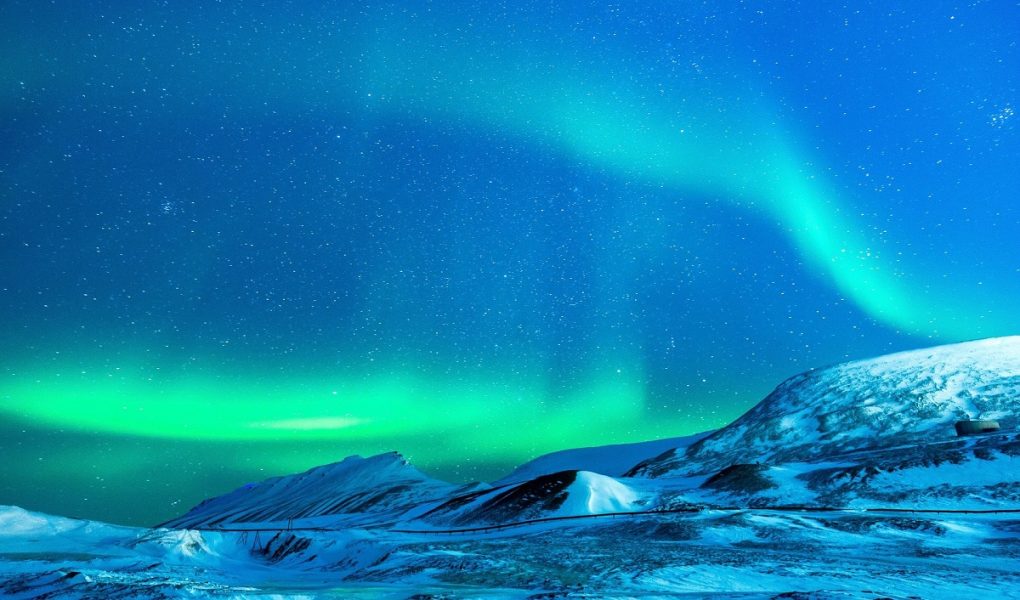
You’ve seen the photos. Green ribbons of light dancing across a black Arctic sky. A couple standing under a glowing dome, snow crunching under their boots. It looks magical. It also looks expensive, cold, and like something that might not actually happen when you get there.
Here’s the truth: the Northern Lights are real, they are spectacular, and you should go see them — if you understand what you’re signing up for. Most people either romanticize the trip into a disappointment or skip it entirely because they think it’s too hard. Neither is correct.
This guide covers the actual costs, the real odds of seeing the aurora, the best locations for your budget, and the common mistakes that turn a dream trip into an expensive regret. No fluff.
The Hard Truth: You Might Not See Them
Let’s start with the misconception that kills most aurora trips: you can’t just show up anywhere in the north and expect a show. The aurora is a natural phenomenon driven by solar wind and geomagnetic activity. It doesn’t care about your vacation schedule.
The KP-index (a 0-9 scale of geomagnetic activity) needs to be at least 3-4 for a decent display in most locations. At KP 0-2, you’re likely staring at a black sky. At KP 5+, you get the Instagram shots. But even a high KP doesn’t guarantee clear skies. Cloud cover is the silent trip killer.
Here’s what the data actually says about success rates:
| Location | Clear Sky Probability (Nov-Feb) | Average Visible Nights per Month | Cost (7-day trip, per person) |
|---|---|---|---|
| Abisko, Sweden | ~60% | 18-22 | $1,800 – $2,500 |
| Tromsø, Norway | ~35% | 10-14 | $2,500 – $3,500 |
| Fairbanks, Alaska | ~45% | 14-18 | $1,500 – $2,200 |
| Yellowknife, Canada | ~50% | 16-20 | $2,000 – $3,000 |
| Reykjavik, Iceland | ~25% | 8-12 | $2,000 – $3,000 |
Abisko National Park in Sweden is the statistical winner for clear skies and consistent aurora activity. Its location in a rain shadow means clouds form less often. Tromsø is more famous but clouds kill more nights there. Fairbanks is cheaper and reliable. Reykjavik is a gamble — great city, mediocre aurora odds.
If you only have 3-4 nights and can’t flex your schedule, pick Abisko or Fairbanks. If you have a week and don’t mind some cloudy nights, Tromsø or Yellowknife work. If you’re on a strict budget and want a city trip with aurora as a bonus, Fairbanks is your best bet.
What It Actually Costs (Real Numbers)
Social media makes this look like a $500 weekend trip. It’s not. Here’s the breakdown for a 7-day aurora chase from the US or Europe:
Flights
From the US East Coast to Fairbanks: $600-900 round trip. From Europe to Tromsø: $200-500. To Abisko (via Kiruna): $400-700. Book 3-4 months out for the best prices. Last-minute bookings in peak season (December-February) cost 30-50% more.
Accommodation
Budget options: hostels or guesthouses in Abisko or Fairbanks run $80-150/night. Mid-range hotels in Tromsø: $200-350/night. Glass igloos or luxury lodges: $500-1,200/night. The glass igloo is a marketing trap — you pay a premium for a gimmick that often fogs up or offers a poor view angle. A regular cabin with a clear forecast and a 5-minute walk outside is cheaper and more reliable.
Tours vs. Self-Drive
Aurora tours in Tromsø cost $100-200 per person per night. They drive you to dark spots, provide warm suits, and guide photography. Self-driving in Fairbanks or Abisko costs $50-80/day for a rental car plus gas. If you’re a confident winter driver, self-driving saves money and gives you flexibility. If you’re not comfortable on icy roads, pay for the tour.
Gear
You need a proper winter jacket rated to -20°F/-30°C, insulated boots, thermal layers, gloves, and a hat. Total: $300-600 if you buy new. Renting gear in Tromsø or Fairbanks costs $50-100 for the week. Renting is smarter unless you live in a cold climate already.
Bottom line: a realistic 7-day trip costs $1,500-$3,500 per person depending on location, accommodation, and how many tours you book. You can do it cheaper by camping in a van or staying in hostels, but those come with their own risks.
The Best Locations for Different Travelers
There’s no single “best” place. Here’s who should go where.
For Budget Travelers: Fairbanks, Alaska
Fairbanks is the cheapest major aurora destination from North America. Flights from Seattle or Anchorage are reasonable. You can rent a car, drive 20 minutes out of town to Murphy Dome or Chena Lakes, and watch for free. The Aurora Forecast app from the University of Alaska is reliable. Stay 5-7 nights, and you have a 90%+ chance of seeing the aurora if you chase it actively.
For Photographers: Abisko, Sweden
Abisko’s clear skies are unmatched. The Aurora Sky Station (a chairlift up to a viewing platform) costs about $50 and gives you a 360-degree view over the mountains. You can photograph the aurora reflecting on Lake Torneträsk. Bring a tripod and a wide-angle lens with f/2.8 or faster — the standard kit lens won’t capture the colors well.
For City Lovers: Tromsø, Norway
Tromsø is a real city with restaurants, bars, museums, and a solid airport. You can do aurora tours that leave at 6 PM and return by midnight. The city itself is worth visiting even if the aurora doesn’t show. But accept the lower odds — you might get 2 good nights out of 7.
For Adventure Seekers: Yellowknife, Canada
Yellowknife sits directly under the auroral oval, meaning the lights are often overhead rather than on the horizon. It’s cold — average January temps are -20°F/-30°C. You can stay at a wilderness lodge or drive out onto frozen lakes. This is not a beginner trip. You need serious cold-weather gear and a flexible schedule.
When NOT to Go (Common Mistakes)
Most failed aurora trips share these mistakes. Avoid them.
Mistake #1: Going in September or March Thinking It’s “Shoulder Season”
September has too much cloud cover and lingering daylight. March is better but still not ideal. The sweet spot is November through February — long nights, decent aurora activity, and more stable weather. October and April are marginal.
Mistake #2: Booking a Single Night in a Glass Igloo
You pay $600 for one night. If the sky is cloudy, you see nothing. If the aurora appears at 2 AM, you’re asleep. Book a multi-night stay with a flexible itinerary — 5+ nights in a standard cabin with a clear view is more reliable than one luxury night.
Mistake #3: Ignoring the Moon Phase
A full moon washes out the aurora. A new moon is ideal. Check the lunar calendar before booking. The week before and after a new moon (or a thin crescent) gives you the darkest skies.
Mistake #4: Not Checking the KP Forecast
You can check the 3-day KP forecast on the NOAA Space Weather Prediction Center website (for free). If the forecast shows KP 2 or lower for your entire trip, consider rescheduling. Don’t rely on apps that claim to “predict” the aurora weeks in advance — they can’t. Only 3-5 day forecasts are reliable.
Mistake #5: Overpacking for the City, Underpacking for the Cold
You’ll spend hours standing still in -20°F. That $50 fashion parka from H&M won’t cut it. Invest in a proper down jacket rated to -30°F, wool base layers, and insulated boots with removable liners. Buy used if budget is tight — REI’s used gear section or Facebook Marketplace often have good options for half the price.
Alternatives: Should You Skip the Aurora Entirely?
Honestly? Some people should.
If you hate cold weather, can’t stand being outside for more than 30 minutes at night, or get frustrated when plans change, this trip will make you miserable. The aurora is not a reliable vacation — it’s a gamble with weather and solar activity.
Alternatives that scratch a similar itch:
- Icehotel in Jukkasjärvi, Sweden — You sleep in a room made of ice and snow, with northern lights tours included. Costs about $400-600/night but you get a unique experience regardless of aurora conditions.
- Dog sledding in Rovaniemi, Finland — Daytime adventure with huskies, plus aurora chances at night. Less pressure on the lights, more guaranteed fun. Trips start at $150/person for a half-day.
- Winter photography in Svalbard, Norway — Polar bears, glaciers, and 24-hour darkness in January. The aurora is common, but the main draw is the Arctic wilderness. Tours run $3,000-5,000 for a week.
- Stay home and watch a livestream — The Aurora Borealis Observatory in Norway runs a free YouTube livestream during peak season. You get the view without the cost or cold. Not the same, but honest.
If you decide the aurora trip isn’t for you, that’s fine. The Arctic has plenty of other winter experiences that don’t depend on a 5% chance of clear skies and high solar activity.
The Verdict: Go, But Go Smart
Here’s the shortest honest answer: go see the Northern Lights if you can afford the trip, accept the uncertainty, and genuinely enjoy cold winter nights. If you’re going just for the Instagram photo, you’ll probably be disappointed. If you’re going because you want to stand under a dark Arctic sky and witness something that humans have chased for centuries, you’ll love it even if the aurora is faint.
Pick Abisko or Fairbanks for the best odds. Book 5-7 nights. Rent gear. Check the moon phase and KP forecast. Drive yourself if you’re comfortable. And don’t fall for the glass igloo markup.
This is not travel advice. It’s a set of numbers and probabilities. Use them however you want.