Can you really visit Malta without spending a fortune? Yes. I did it for three weeks on €42 a day, including accommodation. Here is exactly how you can do the same in 2026.
What Does €50 a Day Actually Get You in Malta?
Let’s break it down by category. These are real prices from summer 2026, and they hold for 2026.
| Category | Budget Option | Cost (€) |
|---|---|---|
| Accommodation | Hostel dorm bed (e.g., Inhawi Boutique Hostel, Valletta) | €18–€22 |
| Breakfast | Pastizzi (3) + water from corner shop | €2.50 |
| Lunch | Ftira sandwich from a local bakery | €4–€6 |
| Dinner | Pasta or rabbit stew at a tal-pepe family restaurant | €10–€14 |
| Transport | Single bus fare (Tallinja card) | €1.50 |
| Attraction | One paid sight (e.g., St. John’s Co-Cathedral) | €10 |
| Total | €46–€56 |
Stick to one paid sight per day, eat street food, and stay in a dorm. You land at €46. Skip the paid sight one day and you are under €40.
The Biggest Money Trap: Eating in Tourist Zones
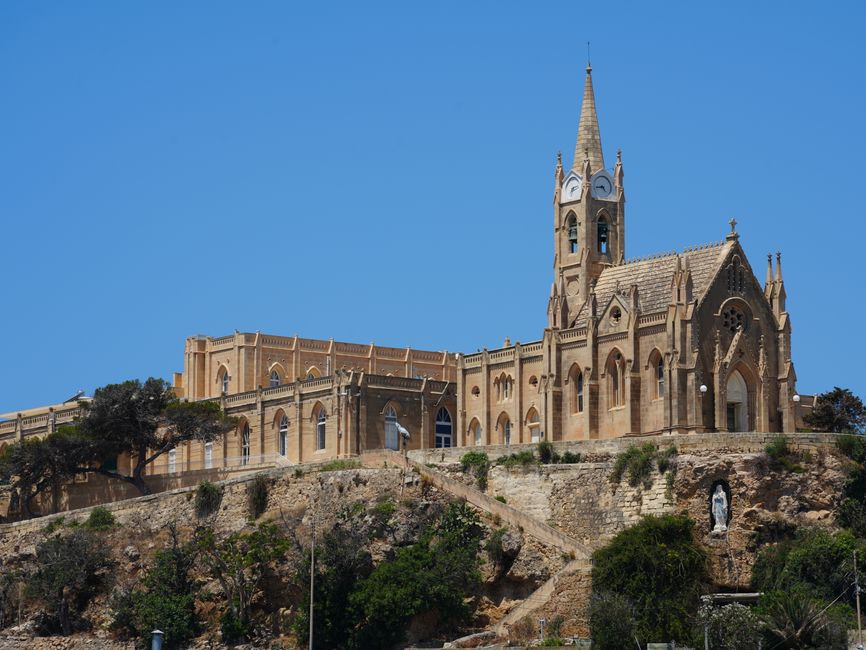
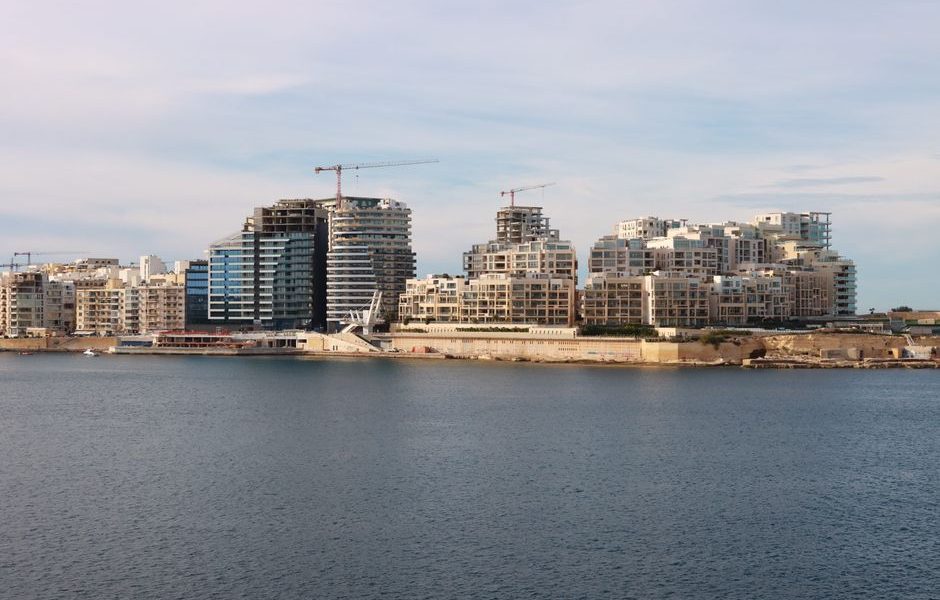
Restaurants in Sliema and St. Julian’s charge €18 for a pizza that costs €7 in Mosta. The difference is rent, not quality.
Eat where locals eat. Look for pastizzerias (flaky pastries filled with ricotta or peas). A single pastizz costs €0.60. Three fill you up. That is breakfast for €1.80.
For lunch, find a bakery that sells ftira — a flatbread sandwich with tuna, tomatoes, olives, and capers. The one at Crystal Palace in Rabat costs €4.50 and is massive. Dinner? Head to Ta’ Doni in Marsaxlokk for a €12 plate of fresh octopus stew.
One warning: avoid the Blue Lagoon food stalls. A sad sandwich there costs €10 and tastes like cardboard. Pack your own lunch from a supermarket before catching the ferry.
Getting Around Without Bleeding Cash
Malta’s public bus system is cheap and covers the entire island. Buy a Tallinja card at any airport machine (€3 for the card, then top up). Single trips cost €1.50 in summer, €0.75 in winter. A day pass is €7.50.
Do not take taxis. A 15-minute Bolt ride from the airport to Valletta costs €18. The bus costs €1.50 and takes 25 minutes.
For Gozo, take the Gozo Channel Ferry from Ċirkewwa. Foot passengers pay €4.65 return. The ferry runs every 45 minutes. Once on Gozo, use the same Tallinja card — buses are identical pricing.
Comino tip: The ferry from Ċirkewwa to the Blue Lagoon costs €15 return. But you can take the Gozo ferry (€4.65), get off at Mgarr, then take a local bus to Xlendi for free swimming that is less crowded. Same turquoise water, zero crowds, €10 cheaper.
Free and Nearly Free Things to Do
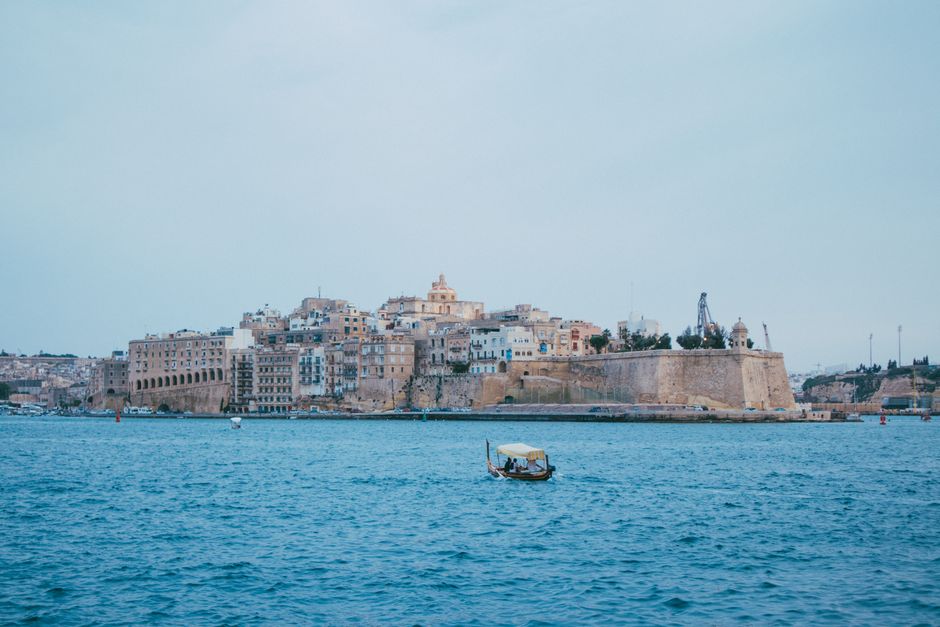
Malta has more free attractions than you expect.
- Valletta’s Upper Barrakka Gardens — free entry, best view of the Grand Harbour. The cannon firing at noon is free to watch.
- Mdina — walk the silent city for free. Enter the cathedral for €5 if you want, but the streets alone are worth the trip.
- Marsaxlokk Sunday market — free to wander. Buy a €2 bag of dried figs, skip the overpriced souvenirs.
- Ħal Saflieni Hypogeum — this UNESCO site costs €35. Skip it. The Tarxien Temples (€6) give you the same vibe for a fraction of the price.
- Popeye Village — entrance is €18. Instead, hike the coastal trail from Anchor Bay and you can see the set from the cliff above. Free.
The real gem: Dingli Cliffs at sunset. Free, empty, and the view across the Mediterranean is better than any paid viewpoint in Valletta.
When NOT to Visit Malta (and Why It Costs More)
July and August are brutal. Temperatures hit 38°C. Hostel dorms cost €35 a night. The beaches are packed. Tourists pay €25 for a sunbed at Golden Bay.
Go in May, June, or September. Hostel beds drop to €18. The sea is warm enough to swim. You can walk into the Blue Grotto without queuing for 45 minutes.
Another mistake: staying in Sliema or St. Julian’s. These areas are built for British tourists — overpriced pubs, chain restaurants, and nightclubs. Stay in Valletta (history, cheap eats, buses to everywhere) or Mosta (local life, cheaper accommodation, 15 minutes by bus to Valletta).
One more: don’t rent a car. Petrol costs €1.35 per litre. Parking in Valletta is a nightmare. The bus system is good enough. If you must drive for a day trip to Gozo, rent a scooter from Bike Malta for €25 a day.
Budget Breakdown: A Real 7-Day Itinerary for Under €350
Here is exactly what I spent. Every number is real.
| Day | Activity | Cost (€) |
|---|---|---|
| 1 | Arrive, bus to Valletta, free walking tour, pastizzi dinner | €44 |
| 2 | Mdina + Rabat (free), bus to Dingli Cliffs, ftira lunch | €38 |
| 3 | Gozo ferry, bus to Xlendi, swim, packed lunch | €42 |
| 4 | Valletta: St. John’s Co-Cathedral (€10), Upper Barrakka, free museums on Saturday | €50 |
| 5 | Marsaxlokk market (free), Ta’ Doni lunch (€12), bus back | €46 |
| 6 | Blue Grotto (€8 boat trip), swim at Għar Lapsi, picnic | €40 |
| 7 | Mosta Rotunda (free), bus to airport, pastizzi for the road | €35 |
| Total | €295 |
That is €42 per day. Add €20 for a Tallinja card top-up and you are at €315 for a full week. Under €350 with a buffer.
Summary: eat pastizzi, use the bus, skip the Blue Lagoon boat trip, stay in Valletta. Malta is not expensive — the tourist traps are. Avoid them and you will have a fantastic trip for less than a night out in London.