

International travel in 2026 comes with tighter rules. Passport processing times have stretched, visa fees have increased, and more countries now require digital pre-clearance. Showing up at the airport without the right documents means a canceled trip. This guide covers exactly what you need, where to store it, and the mistakes that get people stopped at immigration.
Passport Validity: The Six-Month Rule Is Real
Many travelers assume their passport is fine as long as it hasn’t expired. That’s wrong. Over 50 countries — including Thailand, Singapore, and most of the Schengen Area — enforce a six-month validity rule. Your passport must be valid for at least six months beyond your departure date.
Check your passport right now. If it expires within nine months, renew it before booking anything. In 2026, standard passport processing through the U.S. Department of State takes 8–11 weeks. Expedited service costs $60 extra and still takes 5–7 weeks. Do not gamble with the timeline.
How to check your passport status
Look at the issue and expiration dates. Calculate the difference. If you have fewer than 18 months before expiration, you’re at risk for trips beyond 12 months out. Renew early. Use the State Department’s online passport status tool to track progress after submission.
What happens if you ignore this rule
Airlines can deny boarding. Immigration officers can send you back on the next flight. I’ve seen this happen twice — once to a family heading to Bali, once to a solo traveler bound for Japan. Both had six months left on their passport. Both were turned away.
Visas and Digital Travel Authorizations: What Changed for 2026
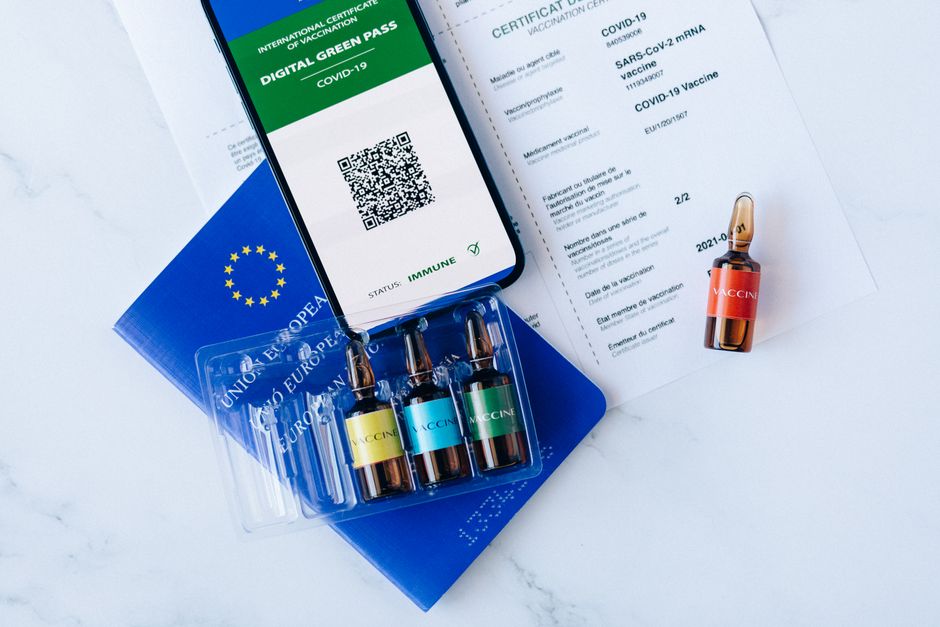
The biggest shift in 2026 is the expansion of Electronic Travel Authorization (ETA) systems. The UK now requires an ETA for all visa-exempt travelers. The European ETIAS system is finally live. Australia and New Zealand have tightened their existing systems. You cannot just show up anymore.
Country-by-country checklist
- United Kingdom: Apply for the UK ETA online. Cost is £10. Processing takes 3–5 days. Valid for 2 years.
- Schengen Area (Europe): ETIAS authorization required. Cost is €7. Valid for 3 years. Apply at least 72 hours before departure.
- Australia: ETA (subclass 601) via the Australian ETA app. Cost is AUD 20. Instant approval in most cases.
- India: e-Visa available for 180+ nationalities. Cost starts at USD 25. Apply 4–7 days ahead.
- Turkey: e-Visa for 90+ countries. Cost is USD 50. Approval within minutes.
Verdict: For the most complex itinerary — a trip through London, Paris, and Sydney — you need a valid passport, a UK ETA, an ETIAS, and an Australian ETA. That’s four separate approvals. Start applying 6 weeks before departure.
Digital Copies: The Backup That Saves Your Trip
Losing a passport abroad is a nightmare. Replacing it at a U.S. embassy takes 3–7 days and costs over $150. A digital backup won’t replace the physical document, but it speeds up the replacement process dramatically.
How to store digital copies correctly
Take clear photos of the passport photo page, all visa stamps, and your driver’s license. Store them in two separate encrypted locations. Google Drive and iCloud both work, but use a password manager like 1Password or Bitwarden for the most sensitive files. Do not email them to yourself — that’s unencrypted and accessible if your account is hacked.
Physical backup option
Print two copies of your passport photo page. Put one in your checked luggage. Put the other in a separate bag or give it to a travel companion. If your wallet is stolen, you still have a copy to show the embassy.
Travel Document Organizers: Which One Actually Works

A good organizer keeps your passport, boarding passes, visa printouts, and vaccination cards in one place. A bad one falls apart after two trips. Here are the three that hold up.
| Product | Material | Capacity | Price | Best For |
|---|---|---|---|---|
| Lewis N. Clark RFID Travel Wallet | Nylon | 6 cards, 2 passports | $25 | Minimalists who carry only essentials |
| BAGSMART Travel Document Organizer | Polyester | 10 cards, 2 passports, 2 phones | $18 | Family trips with multiple passports |
| Travelambo RFID Passport Holder | Leather | 4 cards, 1 passport | $12 | Budget-conscious solo travelers |
My pick: The BAGSMART organizer for most travelers. It fits everything without being bulky. The Lewis N. Clark wallet is better if you travel ultralight with just a crossbody bag.
Three Mistakes That Get You Stopped at Immigration
These are the errors I see most often. Avoid them and your entry will be smooth.
Mistake 1: Mismatched names on tickets and passport
If your passport says “Robert Michael Smith” and your flight booking says “Rob Smith,” you will be delayed. Airlines must match the name exactly. Book your ticket using the name exactly as it appears on your passport. No nicknames, no middle-name omissions.
Mistake 2: Forgetting to check blank pages
Some countries require two blank visa pages for entry. India and South Africa are strict about this. If your passport has fewer than two blank pages, you need a new one. Do not wait until you’re at the gate.
Mistake 3: Assuming your visa is valid for re-entry
Single-entry visas expire the moment you leave the country. If you have a single-entry Schengen visa and fly to London for a weekend, you cannot re-enter the Schengen Area without a new visa. Check whether your visa is single, double, or multiple entry before booking side trips.
What to Do When Documents Get Lost or Stolen

This happens more often than you think. In 2026, the U.S. State Department issued over 500,000 emergency passport replacements abroad. The process is stressful but manageable if you know the steps.
Immediate steps
- File a police report in the country you’re in. You need this for the embassy application.
- Contact the nearest embassy or consulate of your home country. Use the State Department’s travel.state.gov website to find locations.
- Provide your digital copy (this is why you stored it). The embassy will use it to verify your identity.
- Pay the replacement fee. For U.S. citizens, it’s $165 for a passport book.
How long it takes
Emergency passports are usually issued within 2–3 business days. They are limited-validity passports (typically 1 year). You’ll need to apply for a full replacement when you return home.
Verdict: The single most important thing you can do is store a digital copy of your passport in two separate encrypted locations. That one step cuts replacement time in half.