

It was 11 p.m. in Medellín, and I was lost. My phone had 5% battery, I was on a dark street with no street sign, and the taxi I’d called never showed up. I’d been solo for three weeks and felt confident — until that moment. That night taught me more about safety than any guidebook ever did.
Latin America is incredible. The food, the landscapes, the people. But for a woman traveling alone, the risks are real. Pickpocketing, taxi scams, and getting lost in unsafe neighborhoods happen every day. The goal isn’t to scare you. It’s to give you a specific, actionable system that works.
Here are the seven things I do on every trip now. No fluff. Just what works.
1. Where You Stay Is Your First Safety Layer
The wrong hostel or hotel can ruin your trip before it starts. I’ve stayed in over 40 hostels across Latin America. The difference between a safe night and a stressful one comes down to three things: location, lockers, and reception hours.
Location is everything. A hostel in a tourist zone like Palermo in Buenos Aires or La Candelaria in Bogotá is way safer than one in a residential area two miles away. Use Google Maps street view before booking. Look for well-lit streets with shops and restaurants nearby. If the street looks empty or run-down in photos, skip it.
Lockers must be large enough for your backpack. I carry a Pacsafe portable safe ($35, 12×16 inches) that fits in any locker. Hostels that provide lockers for free are better than those charging $5 a night.
24-hour reception is non-negotiable. If you arrive at 2 a.m. and nobody is at the desk, you’re stuck outside. I learned this the hard way in Cartagena. Now I only book hostels with staff present all night.
My pick for budget travelers: Selina hostels (found in 15+ Latin American cities) have 24-hour reception, solid lockers, and locations in safe zones. Dorms start at $12 a night. For private rooms, Viajero Hostels in Colombia and Mexico are well-reviewed and secure.
What to check before booking any accommodation
- Read the last 20 reviews on Hostelworld. Sort by “safety” keyword.
- Look for reviews that mention “felt safe” or “secure area.”
- Avoid any place with reviews about theft or sketchy staff.
2. Transportation: The Biggest Risk Zone
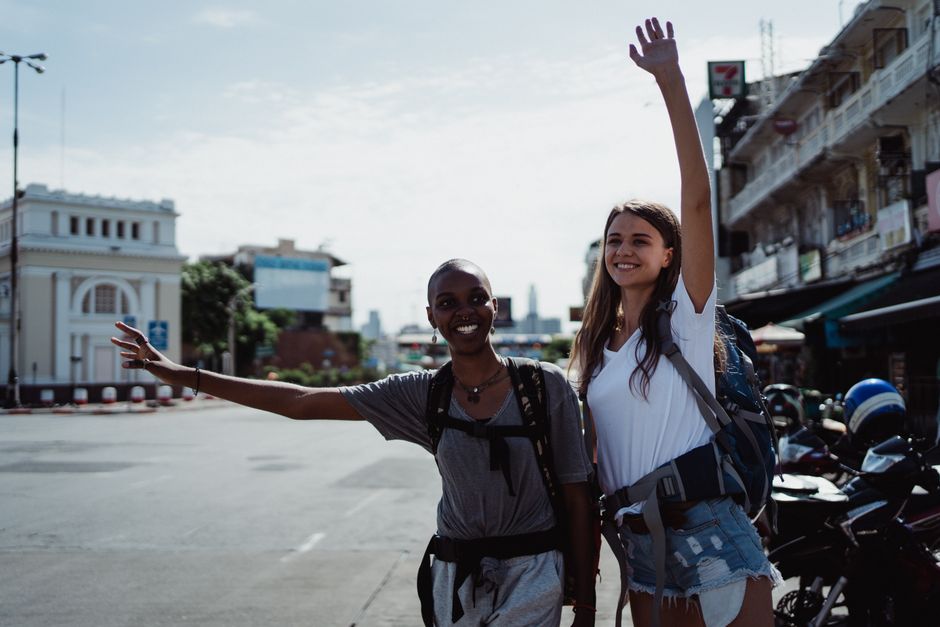
Most theft and scams targeting solo female travelers happen during transit. Buses, taxis, and rideshares are where you’re most vulnerable. Here’s how to handle each one.
Uber is safer than street taxis in most cities. In Mexico City, Bogotá, Lima, and Santiago, Uber lets you share your ride with a friend back home. You can see the driver’s photo, license plate, and rating. Street taxis often overcharge or drive to isolated spots. In 2026, Uber is available in every major Latin American city. Use it.
Buses: stick to first-class companies. In Peru, Cruz del Sur has double-decker buses with security cameras and onboard bathrooms. In Colombia, Expreso Brasilia is reliable. Avoid colectivos (shared vans) at night. I once took a night bus from Medellín to Bogotá on a cheap company. The driver stopped at an unlit gas station at 3 a.m. and everyone got off. I stayed on the bus with my backpack hugged to my chest. Not worth the $8 savings.
Never put your bag in the overhead bin on a bus. Keep it at your feet, with your legs through the straps. I use a Pacsafe backpack ($90, 20L) with lockable zippers. It fits under the seat.
Ride-share safety checklist
- Check the license plate before getting in.
- Ask the driver “What’s my name?” before entering.
- Share your trip status with a friend via the app.
- Sit in the back seat, not the front.
3. What to Pack for Safety (Not Just Comfort)
Your packing list is a safety tool. Here’s what I carry that most travelers don’t.
| Item | Brand / Model | Price | Why It Helps |
|---|---|---|---|
| Portable door lock | Addalock | $12 | Locks any hotel door from inside. No key needed. |
| Money belt | Eagle Creek Hidden Pocket | $18 | Holds passport and emergency cash under clothes. |
| Personal alarm | Sabre Personal Alarm | $10 | 130dB sound. Attaches to keychain. Scares off attackers. |
| Portable charger | Anker PowerCore 10000 | $25 | Keeps phone alive for maps and Uber. 2 full charges. |
| Headlamp | Black Diamond Spot 400 | $40 | Hands-free light for dark streets or power outages. |
The single most important item is the portable charger. A dead phone is the #1 cause of dangerous situations for solo travelers. I charge my Anker PowerCore every night and never leave the hostel below 80%.
4. How to Handle Unwanted Attention
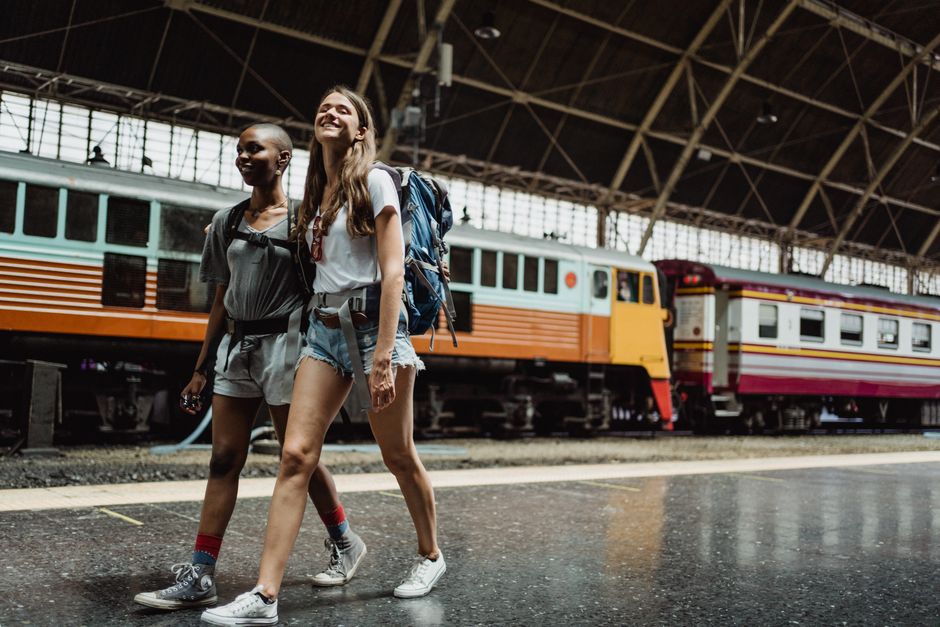
Catcalling and persistent men are common in Latin America. It’s not your fault. But having a script helps.
Do not engage. Ignoring works better than arguing. If a man follows you, walk into a busy shop or restaurant. In Mexico City, I ducked into a Starbucks and asked the barista for help. He called me a taxi. Most locals will help if you ask.
Wear a fake wedding ring. I bought a simple silver band for $8 on Amazon. When men ask if I’m alone, I say “My husband is waiting for me at the hotel.” It sounds silly, but it works 90% of the time.
Learn the local phrase for “leave me alone.” In Spanish: “Déjame en paz.” In Portuguese (Brazil): “Me deixa em paz.” Say it firmly, with eye contact. Then walk away.
I also carry a Sabre Personal Alarm clipped to my bag strap. I’ve never used it, but knowing it’s there makes me stand taller.
5. Digital Safety: Phones, ATMs, and Scams
Your phone is your most valuable item. Lose it, and you lose maps, money, and communication.
Never pull out your phone on the street. In Buenos Aires, I saw a woman get her iPhone snatched while taking a photo of a building. Keep your phone in your front pocket or a cross-body bag with a zipper. Use a Pacsafe cross-body bag ($45, 3L) with slash-proof straps. I wear it under my jacket.
ATMs: use ones inside banks, not on the street. Skimming devices are common. In Lima, the ATM at the Bank of the Nation is safer than the one on the corner. Withdraw only what you need for 2-3 days. Keep the rest in your money belt.
Common scams to watch for:
- The “mustard scam” — someone squirts mustard on your shirt, then offers to clean it while an accomplice steals your bag. Walk away immediately.
- Fake taxi drivers — they offer a ride, then demand $50 for a 10-minute trip. Only use Uber or official taxi stands.
- Friendly locals asking for help — a woman asking for directions while her partner picks your pocket. Keep walking.
Back up everything. Before you leave, take photos of your passport, credit cards, and travel insurance. Email them to yourself. If your phone is stolen, you can still prove who you are.
6. When NOT to Travel Solo (Honest Advice)
There are places and times where solo female travel is genuinely risky, and I won’t pretend otherwise.
Don’t walk alone after 10 p.m. in any city you don’t know well. Even in safe neighborhoods, darkness changes the dynamic. In Medellín, the Poblado area is safe during the day but has muggings after midnight. Take an Uber, even for a 10-minute walk.
Don’t stay in a hostel that doesn’t have a female-only dorm. Mixed dorms can be uncomfortable. Female-only dorms reduce the chance of theft and unwanted attention. Selina and Viajero both offer female-only rooms.
Don’t tell strangers your exact plans. When someone asks where you’re staying, say “near the plaza” or “in the center.” You don’t owe anyone your hotel name.
Don’t drink to the point of losing control. I know this sounds obvious, but I’ve seen solo travelers black out in hostels. Stick to one drink in public. Keep your hand over your glass.
7. The Bottom Line: One Rule That Covers Everything
Here’s the single rule that has kept me safe across 12 Latin American countries: Trust your gut, and act immediately.
If a street feels wrong, cross it. If a taxi driver gives you a bad vibe, cancel the ride. If a hostel seems sketchy at check-in, leave and find another. The $20 you lose on a deposit is nothing compared to your safety.
I’ve walked out of two hostels and cancelled three Ubers because something felt off. Every time, I found a better option within 20 minutes. Your instincts are sharp. Listen to them.
For your first solo trip to Latin America, start with one of these cities: Mexico City (Condesa or Roma neighborhoods), Buenos Aires (Palermo), or Medellín (Poblado). Each has a strong solo traveler community, safe hostels, and good public transport. Book a Selina or Viajero hostel for your first three nights. Use Uber exclusively. Keep your phone charged. And when a man on the street says “You’re beautiful, where are you from?”, just keep walking.
You’ll have the trip of your life. Just follow the system.